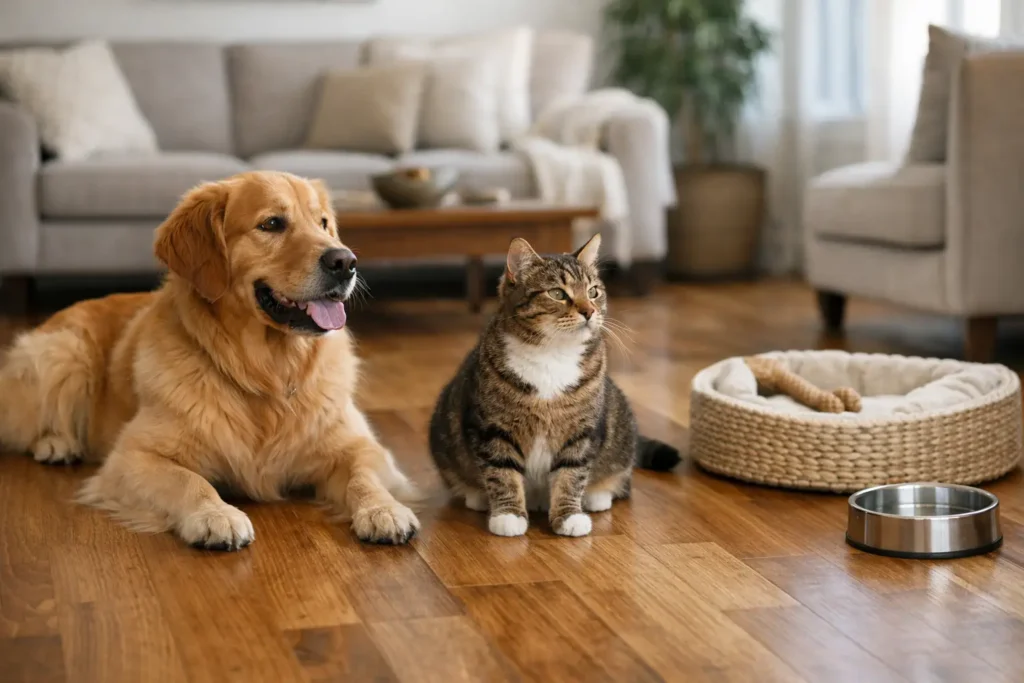
A dog skidding around the corner or a cat launching off the sofa can tell you a lot about your floors in a hurry. If you are comparing the best wood floors for pets, the real question is not just which floor looks good on day one. It is which one still looks good after nail traffic, water bowl drips, and the daily wear that comes with a busy home.
For most Connecticut homeowners, the answer comes down to a smart balance of hardness, grain pattern, finish, and color. There is no single pet-proof wood floor, but there are wood floors that hide wear better, resist dents more effectively, and can be restored beautifully over time. That last part matters. Even the best choice will eventually show life happening, which is why professional refinishing matters almost as much as the species you choose in the first place.
What makes the best wood floors for pets?
Homeowners often start with hardness, and that makes sense. Harder woods generally resist dents better from dropped toys, active dogs, and everyday traffic. But hardness alone does not tell the whole story. Some very hard woods still show scratches clearly because of their smooth, uniform grain or very dark stain color.
The best wood floors for pets usually share a few traits. They are reasonably hard, they have enough natural grain or character to disguise small surface marks, and they are finished in a way that softens the look of wear instead of highlighting every line. Mid-tone colors and lower-sheen finishes often outperform glossy dark floors in real homes with pets.
That is why a practical, lived-in choice often beats a showroom-perfect one. A floor that looks slightly textured and natural tends to age more gracefully than one that aims for a mirror-smooth finish.
Best wood species for pet-friendly homes
Oak remains one of the strongest all-around options, especially for families who want a classic hardwood floor that can be refinished multiple times. Red oak and white oak are both durable, widely available, and forgiving in appearance. White oak has a tighter grain and a slightly more contemporary look, while red oak brings warmth and a more traditional character. For many homes with dogs or cats, oak is the safest bet because it balances durability, style, and long-term value.
Hickory is another strong contender. It is harder than oak and known for its dramatic grain variation. That variation can help conceal minor wear between cleanings or maintenance coats. The trade-off is appearance. Hickory has a bolder, busier look that not every homeowner wants, especially in more formal interiors.
Maple is hard, but it can be a little less forgiving visually. Its smoother, subtler grain means scratches may stand out more than they would on oak or hickory. If you love the clean look of maple, choosing the right finish becomes even more important.
Pine and other softer woods can still work in pet-friendly homes, but expectations need to be realistic. These floors dent more easily and develop character quickly. Some homeowners love that worn-in look. Others do not. If you already have softwood floors, refinishing them with the right protective system can improve performance, even if it does not change the wood’s natural softness.
The finish matters as much as the wood
A lot of pet-related floor damage is really finish damage. That distinction matters. Surface scratches in the finish are different from deep gouges into the wood itself, and they are often easier to manage.
For homes with pets, a low-sheen or satin finish is usually the smarter choice. Glossy finishes reflect more light, which makes every scratch, smudge, and bit of pet hair more visible. Satin and matte finishes soften that effect and make the floor easier to live with day to day.
Water-resistant, high-quality polyurethane systems are typically the go-to option for durability. If indoor air quality is a concern, especially in homes with children, pets, or allergy-sensitive family members, the finishing process matters just as much as the product itself. That is one reason many Connecticut homeowners choose Dustless Hardwood Floors LLC. Our proprietary dustless sanding system leaves zero dust in the home, which means you can restore worn hardwood without coating your living space in airborne debris. For families who want clean results and a comfortable refinishing experience, that difference is hard to overstate.
Best colors and styles when you have pets
Very dark floors are beautiful, but they are high maintenance in pet households. They tend to show dust, hair, paw prints, and scratches more quickly than medium or natural tones. Very light floors can hide dust better, but some stains and wear patterns may stand out depending on the species and finish.
Most homeowners do best with mid-tone browns, natural white oak tones, or lighter neutral stains that keep the grain visible. Floors with character grades, subtle variation, or wire-brushed texture can also be more forgiving. That does not mean you need a rustic floor. It simply means a little visual movement helps everyday wear blend in instead of shouting for attention.
If your pets are active and your household is busy, this is one area where choosing what works in real life beats choosing what looks perfect in a staged photo.
New hardwood vs. refinishing existing floors
If your current hardwood floors are scratched, dull, or faded, replacement may not be necessary. Many pet-worn floors can be transformed through professional refinishing, especially if the damage is mostly in the finish layer or limited to isolated boards.
This is where homeowners often save significant money and preserve the character of their home at the same time. Original hardwood floors, especially in older Connecticut homes, usually have plenty of life left in them. A clean, professional refinish can improve durability, update the color, and give you a more pet-friendly finish without the cost of full replacement.
When refinishing is the right option, the process should feel manageable for the household. That is why zero-dust containment is such a major advantage. A dustless sanding system supports cleaner indoor air and a more comfortable experience for families who do not want a construction feel inside the home. It is especially valuable in homes with pets that are sensitive to environmental changes.
When engineered wood makes sense
Solid hardwood gets most of the attention, but engineered wood can be a smart choice in certain homes. If you are installing flooring in areas where humidity shifts are a concern, engineered wood may offer better dimensional stability. That can be helpful in finished basements, lower levels, or rooms with seasonal moisture variation.
For pet owners, the key question is wear layer quality. Some engineered products can be refinished, while others cannot or only allow very limited sanding. If long-term restoration matters to you, make sure you understand that before installation. A good-looking floor is one thing. A floor that can be renewed years later is another.
Common mistakes pet owners make
The biggest mistake is choosing based only on color or trend. A floor may look impressive in a sample board and still be frustrating in everyday life. Dark gloss finishes are the classic example. They photograph well and often disappoint in active households.
Another mistake is assuming scratches mean the floor has failed. Hardwood is a natural material, and some wear is normal. The goal is not perfection. The goal is a floor that ages well, supports your lifestyle, and can be professionally restored when needed.
It also helps to keep expectations realistic around water. Hardwood and standing moisture are never ideal companions, no matter how durable the species. Wipe spills promptly, use mats under water bowls, and keep nails trimmed. Good habits extend the life of any floor.
How to choose the right floor for your home
If you want the safest overall choice, white oak with a satin finish is hard to beat. It is durable, versatile, and attractive in both traditional and modern homes. If you want maximum hardness and do not mind a more active grain pattern, hickory is worth a serious look. If you already have hardwood floors, especially oak, refinishing may give you the result you want without replacing a thing.
The right answer also depends on your pets. A single small cat creates a different wear pattern than two large dogs running through the kitchen every day. Your floor plan matters too. Open main living areas take more visible wear than a quiet guest room.
The smartest move is to choose a floor system, not just a wood species. That means thinking about the wood, the stain color, the sheen level, and the quality of the refinishing or installation work together.
If your current floors are no longer keeping up with your pets, there is good news. You do not have to settle for worn-looking hardwood or a stressful restoration process. With the right wood choice and a professional dustless refinishing approach, your floors can look beautiful, feel clean, and hold up better to the way your home is actually lived in.
Choosing wisely can lead to long-lasting satisfaction with the best wood floors for pets.
For anyone living with pets, knowing about the best wood floors for pets can make a significant difference in your living space.
In conclusion, the best wood floors for pets should offer a perfect blend of style, durability, and ease of maintenance.
Consulting with professionals can guide you toward the best wood floors for pets that meet your specific needs.
Remember, the best wood floors for pets will feature design elements that help mask everyday wear.
Ultimately, selecting the best wood floors for pets is about choosing a product that aligns with your lifestyle and home environment.
Be sure to look for the best wood floors for pets that offer a warranty covering pet damage and other issues.
Many people find that the best wood floors for pets not only enhance the beauty of their home but also provide a practical solution for pet-related wear and tear.
Choosing the right finish on the best wood floors for pets will help in protecting them from scratches and spills.
Investing in the best wood floors for pets is crucial for maintaining both the aesthetic and functionality of your home.
When selecting the best wood floors for pets, it’s essential to consider not just their appearance but also their durability and ability to withstand the daily activities of your furry friends. The best wood floors for pets should balance style and practicality.