
If you are trying to decide between dustless sanding vs traditional sanding, the real question is not just how your floors will look when the job is done. It is how your home will feel during the process, what ends up in your indoor air, and how much disruption your family is willing to tolerate. For most Connecticut homeowners, that difference matters as much as the finish itself.
Hardwood floor refinishing should restore beauty, not create stress. When floors are scratched, faded, dull, or uneven, sanding is the step that brings them back to life. But the method used to sand those floors can change the entire experience. One approach is built around containment, cleaner air, and comfort in the home. The other is the older standard many homeowners are trying to avoid.
Dustless sanding vs traditional sanding: what changes?
At a basic level, both methods remove the worn top layer of a hardwood floor so it can be refinished. That part is the same. The difference is what happens to the fine particles created during sanding.
With traditional sanding, those particles are allowed to circulate much more freely through the work area and beyond. Even when a contractor cleans carefully afterward, fine debris can travel into vents, furniture, trim, and adjacent rooms. That is one reason homeowners often worry about the effect on children, pets, and anyone with allergies or respiratory sensitivity.
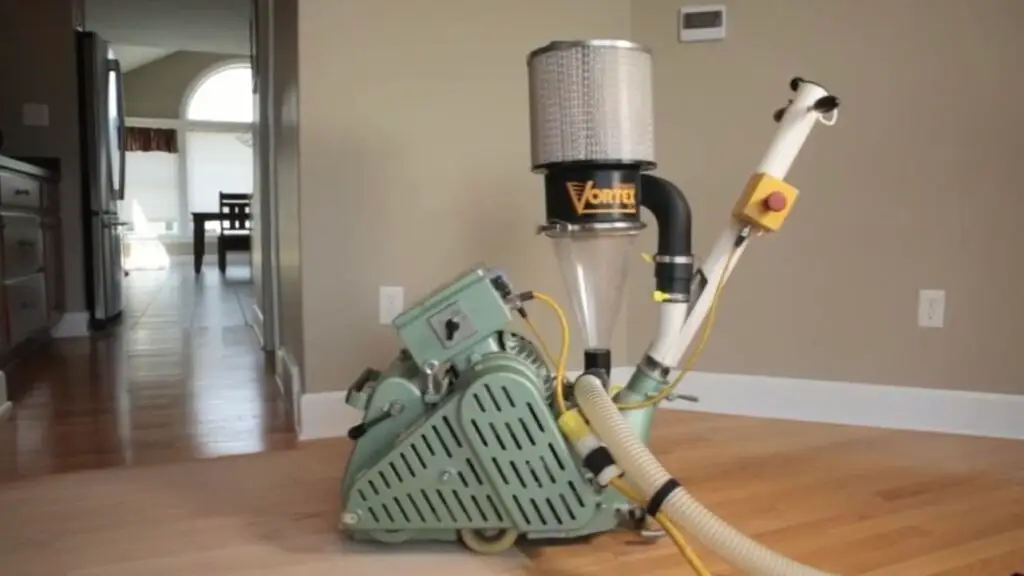
Dustless sanding is different because the equipment is designed to capture the particles at the source. At Dustless Hardwood Floors LLC, our proprietary dustless sanding system leaves zero dust in the home. That means homeowners can get professionally restored hardwood floors without turning the project into a whole-house cleanup. For families in Manchester, West Hartford, Glastonbury, and nearby Connecticut communities, that cleaner process is often the deciding factor.
Why homeowners are moving away from traditional sanding
Most people do not start this search because they are fascinated by sanding equipment. They start because their floors no longer match the rest of the home. The surface looks tired, sunlight has faded the color, pets have left scratches, or old finish has worn down in traffic paths. Then they learn that not all refinishing methods feel the same while the work is happening.
Traditional sanding carries a reputation that makes many homeowners hesitate. If you have young children, pets, or a family member who is sensitive to airborne particles, you may already know why. The concern is not only cleanup. It is the idea of fine material settling where your family lives.
That is why dustless sanding has become the preferred option for homeowners who want a better result and a better experience. Cleaner containment supports a more comfortable project from start to finish. It also helps protect the rest of the home while your floors are being restored.
The biggest benefit of dustless sanding
The clearest advantage is right in the name. Dustless sanding is the dust-free alternative. That matters because refinishing is happening inside your living space, not in a detached workshop.
A clean process changes the project in practical ways. It helps preserve indoor comfort. It reduces the need for post-job wipe-downs throughout the home. It is a better fit for busy households that cannot afford a drawn-out recovery after the floors are finished. And for allergy-sensitive homes, it offers peace of mind that older sanding methods simply do not.
There is also a quality side to this. When sanding is controlled properly, the contractor can focus on creating a smooth, consistent surface for stain and finish. The result is not just cleaner. It is more polished and predictable.
Dustless sanding vs traditional sanding for families, pets, and indoor air
This is where the difference becomes personal. Homeowners are not comparing machines. They are comparing what it is like to live through a floor refinishing project.
If your household includes toddlers playing on the floor, pets moving room to room, or family members who are careful about air quality, cleaner sanding is not a luxury. It is the responsible choice. Dustless sanding supports a safer, more comfortable environment during the refinishing process. That aligns with what many Connecticut homeowners want now – beautiful floors without compromising the comfort of the people who live there.
Traditional sanding may still be viewed by some as the old default, but default does not mean best. In occupied homes, especially family homes, a dust-free approach makes more sense because it respects the space as a home first and a jobsite second.
Does traditional sanding ever make sense?
There are cases where homeowners ask this because they assume traditional sanding might be cheaper. Sometimes the question is less about performance and more about budget. That is fair. Cost always matters.
But flooring decisions should account for total value, not just the line item attached to sanding. A lower upfront price can feel less appealing if it comes with more cleanup concerns, more inconvenience, and a less comfortable experience in the home. For many property owners, that trade-off is not worth it.
There is also the matter of expectations. If you are investing in refinishing because you want your hardwood floors to look exceptional again, the process should support that goal from beginning to end. Homeowners usually do not want to save a little on the front end if it means accepting a method that feels outdated in an occupied house.
What to expect from a professional dustless sanding service
A strong dustless refinishing service is about more than equipment. It is also about planning, communication, and craftsmanship. The contractor should evaluate the condition of the floor, identify repairs if needed, explain stain and finish options, and set clear expectations on timing and results.
For older floors, this matters even more. Some boards may have deep scratches, minor gaps, dark wear zones, or isolated water marks. A professional approach addresses the floor as a whole system, not just the visible surface. The sanding method should support clean restoration while preparing the wood for a durable finish that fits your home.
That is especially important in Connecticut, where seasonal humidity changes can affect wood movement and where many homes have original hardwood worth preserving. A dustless process allows homeowners to restore character without adding unnecessary stress to the project.
How to choose between dustless sanding and traditional sanding
If you are still comparing dustless sanding vs traditional sanding, ask a simple question: what kind of experience do you want while your floors are being refinished?
If your priority is a clean, low-hassle project with zero dust in the home, dustless sanding is the clear choice. If you care about protecting indoor comfort, keeping the process family-friendly, and getting beautiful floors without the old-style drawbacks, there is not much reason to settle for less.
You should also look at the company behind the service. A licensed and insured hardwood flooring contractor brings accountability to the job. That matters when work is happening inside your home. Clear pricing, consistent communication, and proven refinishing experience all reduce risk.
For homeowners in Hartford County and surrounding areas, choosing a contractor who specializes in dustless hardwood floor sanding and refinishing can make the decision much easier. You are not just paying for floor work. You are paying for confidence that the process will be handled the right way.
The better fit for modern hardwood floor refinishing
Traditional sanding belongs to an older idea of what homeowners had to put up with to refinish wood floors. Dustless sanding reflects what people actually want now – restored beauty, cleaner indoor conditions, and less interruption to daily life.
That shift is not about marketing language. It is about standards. Homeowners expect more from in-home services than they did years ago, and they should. When you are investing in hardwood floor refinishing, the method should match the value of your home and the needs of your household.
Beautiful floors should feel like an upgrade the whole way through, not just after the final coat dries. If you are weighing your options, choose the process that protects your space while bringing your hardwood back to life.