
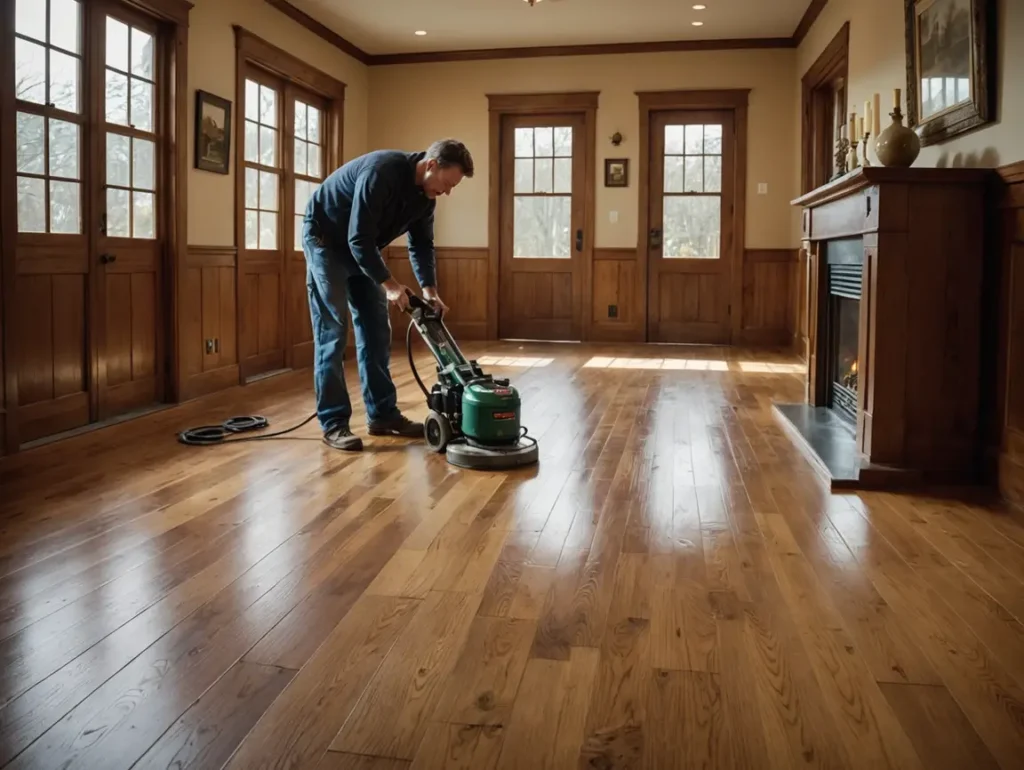
That spot in the hallway where the finish is worn down to bare wood is not just an eyesore – it is a warning sign. Once the protective coat is gone, everyday traffic, pet nails, wet boots, and routine cleaning start working directly on the hardwood itself. The good news is you do not have to replace your floors to get them back. The better news is you do not have to turn your home into a construction zone to refinish them.
If you are searching for a hardwood floor refinishing contractor CT homeowners can rely on, you are probably balancing a few real-life concerns: getting a beautiful result, protecting your home and indoor air, keeping the project on schedule, and avoiding surprise costs. This guide walks you through what matters, what to ask, and how to choose a contractor who can deliver a clean, high-end refinish without the stress.
What refinishing actually fixes (and what it can’t)
Refinishing is a restoration process. It removes the worn finish and minor surface damage, then rebuilds protection with a new finish system. When it is done correctly, a floor that looks tired, scratched, or dull can look dramatically newer.
Refinishing is a great fit when the floor has surface scratches, fading from sunlight, gray traffic patterns, or patchy sheen. It can also help with many pet-related marks, shallow dents, and discoloration from everyday life.
It depends when you are dealing with deeper damage. If boards are cupped from moisture, severely warped, or structurally compromised, you may need targeted repairs or board replacement before refinishing. The same goes for deep stains that have penetrated far into the wood. A professional contractor should be honest about what refinishing will improve and what needs repair work first.
Why “dustless” should be a non-negotiable in a lived-in CT home
Connecticut homes are busy. Kids run through the house, pets nap in sunbeams, and HVAC systems circulate air throughout the day. Traditional sanding methods can introduce fine particulate that settles into closets, ductwork, and soft furnishings. That is not a trade-off most homeowners want, especially in allergy-sensitive households.
A true dustless sanding system is designed to capture sanding particles at the source, keeping your home clean and comfortable during the work. The goal is simple: zero dust in the home, not “less dust.” If you are hiring a contractor, ask them to explain how their system captures dust during each sanding step and how they protect adjacent rooms. If the answer sounds vague, you are taking on unnecessary risk.
For many families in Manchester, West Hartford, Glastonbury, and the greater Hartford area, dust control is not a nice-to-have. It is the difference between a project that feels manageable and one that disrupts daily life.
How to evaluate a hardwood floor refinishing contractor in CT
The best results come from a contractor who treats your home like a finished space, not a jobsite. Here are the decision points that actually predict a smoother experience.
Licensing and insurance you can verify
Start with the basics. Your contractor should be licensed to work in Connecticut and fully insured. This is about protecting your home, your timeline, and your finances if something unexpected happens.
A reputable company will share credentials clearly and answer questions without hesitation. If you feel pushed to skip paperwork or “keep it simple,” that is a red flag.
A clear plan for dustless containment and cleanliness
You should hear specifics: dustless sanding equipment, room-to-room protection, and what “clean” looks like at the end of each day. Homeowners often focus on the final look of the floor, but the day-to-day experience matters too. A contractor who prioritizes cleanliness is more likely to be careful with edges, transitions, and finish consistency as well.
Proof of craftsmanship, not just promises
Ask to see recent project photos that match your situation. If you have red oak with heavy traffic wear, you want to see that – not only wide-plank new installs. If your home has older floors with character, you want to see that the contractor can restore without over-sanding or flattening the floor’s natural story.
If you are preparing a property for sale or turning over a rental, ask for examples of similar projects with tight timelines. Professional refinishing should look beautiful and hold up to real-world use.
A quote that matches how floors are actually priced
Refinishing estimates vary because floors vary. Species, square footage, number of rooms, stair work, board repairs, stain choice, and finish system all influence price. A trustworthy quote spells out what is included and what changes the price.
Be cautious of pricing that feels too simple. A “one number for everything” quote can hide shortcuts or omissions, and that usually shows up later as added charges or a finish that does not perform.
Questions to ask before you schedule
Good contractors welcome questions because it shows you care about the result. You do not need to interrogate anyone, but you should feel confident about these topics.
Ask what dustless sanding system they use and how they ensure zero dust in the home. Ask how they handle edges and corners, where many floors reveal rushed work. Ask what finish options are available and which is best for your household – especially if you have kids, pets, or prefer lower-odor products.
You should also ask about timeline and access. Some homes can be refinished room-by-room depending on layout, but open floor plans may require a different approach. A contractor should map out a plan that fits how you live.
Finally, ask what happens if they uncover issues once the old finish is removed. Hidden pet stains, previous repairs, or uneven boards are common. The right answer is not “that never happens.” The right answer is a clear process for discussing options and pricing before moving forward.
What the refinishing process should feel like as a homeowner
Refinishing is technical work, but your experience should be straightforward.
First comes an on-site evaluation. This is where a professional looks at floor thickness, wear patterns, transitions, and any damage that may need repair. You should also talk about stain color goals and sheen level. Many homeowners want a natural look, while others want a richer tone or a more modern matte finish. There is no universal “best” choice – it depends on lighting, wall color, and how much variation you want to see in the grain.
Next is preparation and protection. In a well-run project, floors are protected at thresholds and adjacent areas are treated with care. With a dustless system, the sanding phase is controlled and clean, which is exactly what families and allergy-sensitive households need.
Then comes staining (if you choose it) and finishing. A quality finish should look even from wall to wall, with clean cut lines at edges and smooth transitions. The right contractor will also help you plan for cure time and furniture movement so you are not guessing.
Refinishing vs. replacement in Connecticut homes
Replacement makes sense when floors are too thin to sand again, extensively water-damaged, or when you are changing layouts and need new material anyway. But many CT homes have hardwood with plenty of life left. Refinishing preserves the original character, avoids demolition costs, and often delivers the dramatic “new floor” look for less investment.
There is also a practicality factor. Replacement can introduce bigger variables: subfloor issues, delivery schedules, and longer disruptions. Refinishing is typically more contained when handled by a contractor who specializes in clean, controlled restoration.
Repairs and add-ons that can be smart while you refinish
Refinishing is the perfect time to handle a few targeted improvements because the floor is already being restored. Small board repairs, tightening transitions, or addressing squeaks can elevate the final result. If you have pet damage near a doorway or water marks by a sink, localized repairs before finishing can prevent those spots from telegraphing through the new look.
If you are considering a new installation in one area and refinishing in another, make sure the contractor can blend sheen and tone so the home feels cohesive. This is especially useful in older Hartford-area homes where additions or past remodels created multiple flooring zones.
A local option for dustless refinishing in CT
If your top priority is a clean, family-safe restoration with zero dust in the home, Dustless Hardwood Floors LLC is a licensed and insured Connecticut contractor (CT License #HIC.0640958) specializing in dustless hardwood floor sanding and refinishing, along with installation and repair. You can see services and request a quote at https://Dustlesshardwoodfloorsllc.com.
A helpful closing thought
When you choose a refinishing contractor, you are not only buying a prettier floor – you are buying the experience of getting there. Look for the team that can restore the beauty you miss, protect the air you breathe, and leave your home feeling like home the whole time.