

Wide plank hardwood flooring is stunning, but deciding on it can feel overwhelming. Many homeowners love the idea of wider boards and a more open look, yet worry about problems like warping, gapping, cost, and long-term durability. It is a real concern, and it can make the decision feel risky.
Wide plank hardwood flooring also offers a unique opportunity to enhance your home’s aesthetic appeal and value. As more homeowners opt for wide plank hardwood flooring, the demand increases for this stunning choice.
In this guide, we will explore the many advantages of wide plank hardwood flooring, including installation tips and maintenance strategies to keep your floors looking pristine.
Choosing wide plank hardwood flooring can also increase the warmth and charm of your living spaces significantly.
This guide will help replace that uncertainty with clarity. Instead of guessing or relying on mixed opinions, you will get clear answers, expert insight, and honest pros and cons that explain exactly what wide plank flooring can and cannot do.
Wide plank hardwood flooring has become synonymous with luxury, and understanding its characteristics is essential before making a decision.
The trend towards wide plank hardwood flooring is evident in many contemporary designs, making it a popular choice for modern renovations.
Whether you prefer engineered or solid wood, wide plank hardwood flooring offers versatility and beauty for every style.
By the end, you will know whether wide plank hardwood flooring is the right investment for your home and your lifestyle, and you will feel confident about your next steps. Let’s get started.
Understanding Wide Plank Hardwood Flooring
Wide plank hardwood flooring has become a popular pick for homeowners who want rooms to feel larger, brighter, and more open. Before choosing this style, it helps to know what makes wide planks different, how they compare to standard flooring, and what to expect during installation.
Wide plank hardwood flooring is a fantastic option for those seeking to create a more open and inviting atmosphere in their homes.
What Exactly Is Wide Plank Flooring?
With wide plank hardwood flooring, you can achieve a stunning visual impact that will impress guests and potential buyers alike.
Wide plank flooring uses hardwood boards that are noticeably wider than the standard 3-inch strips most people are familiar with. These planks usually range anywhere from 5 inches to 12 inches or even wider. Because the boards are larger, you see more of the wood’s natural grain and detail, which gives the floor a warm, authentic look.
Wide planks have a long history. They were common in older homes due to traditional milling methods and the availability of larger trees. Today, they bring that same historic charm, while also fitting beautifully into modern designs.
The choice of wide plank hardwood flooring can elevate a room’s design and add a timeless quality that transcends trends.
As you consider wide plank hardwood flooring, it’s important to weigh its long-term benefits against your aesthetic desires.
Wide plank hardwood flooring can truly transform a space, providing a luxurious feel that complements any decor.
Understanding the benefits of wide plank hardwood flooring can help you make the best choice for your lifestyle and preferences.
Many homeowners are turning to wide plank hardwood flooring to make a bold statement in their interiors.
People appreciate the many benefits of wide plank hardwood flooring, which often surpasses the advantages of traditional flooring options.
A few things make wide planks stand out:
When considering installation, wide plank hardwood flooring provides a unique approach that requires specialized knowledge.
Wide plank hardwood flooring can often be more expensive, but the investment is worth it for the lasting beauty it offers.
- They have fewer seams, so the floor looks smoother and more continuous.
- They highlight the wood’s natural patterns, color shifts, and knots.
- They make rooms feel more spacious because the eye moves across wider boards with less visual interruption.
Many find that the cost of wide plank hardwood flooring is justified by the luxury and style it adds to their homes.
Wide plank hardwood flooring is a choice that reflects personal style and enhances the overall ambiance of your home.
With the right care, your wide plank hardwood flooring can remain beautiful for many years, making it a worthwhile investment.
One major benefit of wide plank hardwood flooring is its ability to make spaces appear larger and more cohesive.
Incorporating wide plank hardwood flooring into your design can create a stunning visual effect that flows beautifully throughout your home.
The versatility of wide plank hardwood flooring makes it an ideal choice for various architectural styles and personal preferences.
From contemporary to traditional, wide plank hardwood flooring can seamlessly integrate into any design aesthetic.
Homeowners often rave about the feel of wide plank hardwood flooring underfoot, enhancing the overall comfort of their living spaces.
Wide plank hardwood flooring stands out for its aesthetic appeal, creating a warm and inviting environment for residents and guests.
The natural beauty of wide plank hardwood flooring adds a unique character to each room it graces.
Choosing wide plank hardwood flooring reflects a commitment to quality and an appreciation for craftsmanship.
Wide plank hardwood flooring can also enhance the resale value of your home, appealing to potential buyers looking for quality features.
Investing in wide plank hardwood flooring provides both immediate aesthetic benefits and long-term value for years to come.
Wide plank hardwood flooring is an exceptional choice for those who appreciate the beauty and uniqueness of natural wood.
The warmth and charm of wide plank hardwood flooring can turn any house into a home.
With numerous finishes and styles available, wide plank hardwood flooring can be tailored to fit your personal taste and home decor.
Wide plank hardwood flooring offers versatility in both aesthetic and functional aspects, making it a popular choice among homeowners.
Using a room visualizer can help you decide how wide plank hardwood flooring will look in your space.
Wide plank hardwood flooring is a trend that enhances the beauty and functionality of any home.
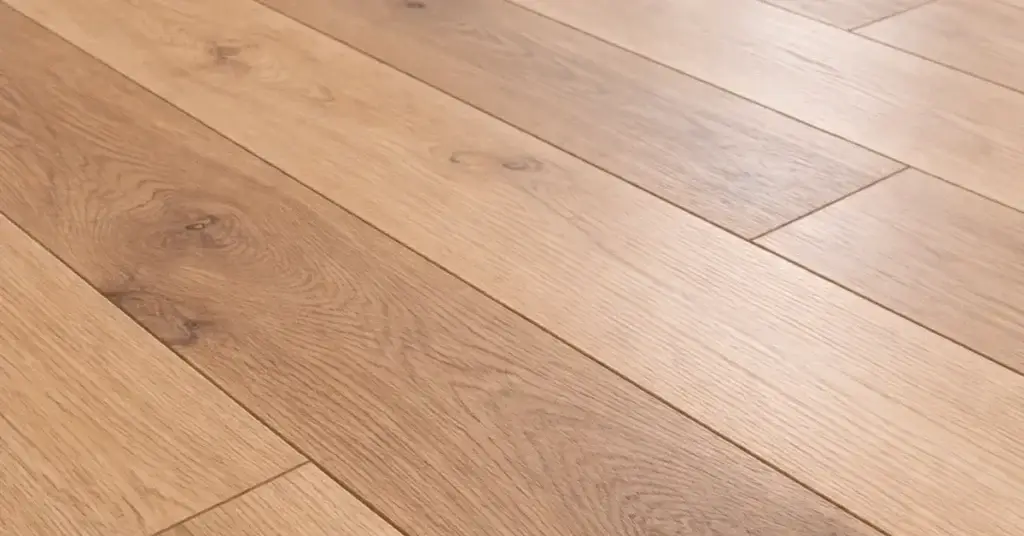
Visualizing wide plank hardwood flooring can provide clarity and confidence in your design choices.
The National Wood Flooring Association (NWFA) notes that plank width is a defining factor in how a hardwood floor looks and behaves. Their standards help guide what qualifies as wide plank and how different widths respond to changes in temperature or moisture.
Wide Plank vs Standard Width Flooring
Standard hardwood planks are typically between 2 and 4 inches wide. They offer a traditional look and can be easier to install because the narrower boards handle movement and moisture changes more evenly.
Wide planks, which start at 5 inches and go up from there, create a bold visual statement. With fewer seams, rooms feel smoother and more open, and many homeowners choose this style for its modern or rustic charm.
Installation can also be different. Because wide boards expand and contract more noticeably, especially in solid wood, they may require more precise installation methods. Managing humidity is important, and depending on the subfloor, installation might include nailing, gluing, or a combination of both to keep the boards secure.
What Homeowners Are Saying
People who have installed wide plank flooring often share helpful insights:
- Engineered wide planks are known for great stability. With a layered structure similar to plywood, they handle seasonal changes well and are less likely to warp.
- Solid wide planks offer beautiful natural character, but they can cup or gap if humidity levels aren’t well controlled.
- Standard solid hardwood remains a favorite for durability, long-term value, and the option to refinish multiple times.
Cost is another point of comparison. Wide plank flooring, especially engineered styles with thicker wear layers, can be more expensive. Many homeowners feel the price is worth it for the dramatic appearance and lasting performance.
The Unrivaled Aesthetic and Design Impact of Wide Plank Flooring
Wide plank wood flooring does more than cover a surface. It transforms a room. It changes how a space feels, how it flows, and even how we connect with the natural character of wood. Whether your style is clean and modern or warm and rustic, wide planks create a visual statement that’s hard to match.
Creating a Sense of Spaciousness and Flow
One of the biggest advantages of wide plank flooring is the way it opens up a room.
Because the boards are wider and have fewer seams, your eye travels across the floor with ease. This simple detail can make rooms feel larger, brighter, and far more inviting.
In open concept layouts, wide planks are especially powerful. They create smooth visual transitions between living, dining, and kitchen areas, helping the whole space feel connected and intentional. It’s a look people love, clean, balanced, and uncluttered.
Common Concern:
A lot of people worry that wide boards might overwhelm smaller rooms or unique layouts. The truth is, it’s all about choosing the right width. In compact spaces, slightly narrower wide planks can keep the room feeling open without overpowering it. In larger rooms, oversized planks create a stunning sense of proportion and luxury. With the right width, any room can benefit from the spacious effect wide planks provide.
Highlighting Natural Wood Character
Another standout benefit is how clearly you can see the natural beauty of the wood itself.
The wide surface shows off the grain patterns that make each plank unique. Knots, mineral streaks, and small imperfections don’t disappear; they shine. Instead of looking busy or uneven, they add personality and charm. In character grade wood especially, these details become design features that add warmth and authenticity.
Every plank feels like its own story. Put them together, and they create a floor with depth, soul, and a one of a kind look you simply can’t get from narrower boards.
A Perfect Match for Any Interior Style
Wide plank flooring works with almost any style because it brings both simplicity and natural beauty to a room.
If your taste leans modern or contemporary, the long clean lines create a smooth, uncluttered backdrop.
If you prefer rustic or farmhouse interiors, the natural texture and grain bring warmth and character.
If you love traditional or transitional style, wide planks add depth, history, and a beautiful sense of scale.
And because people love to mix and match styles today, wide planks fit seamlessly into eclectic spaces too, blending with metal, fabric, paneling, wood furniture, plants, and bold accents.
Try It Before You Commit: Room Visualizer
Here’s a fun and helpful idea: use a room visualizer.
These digital tools let you upload a photo of your space and instantly preview how different plank widths, colors, and finishes will look in your home. It takes the guesswork out of choosing, and it’s a great way to see how wide planks can change the room before you install a single board.
[Image suggestion: Screenshot of an interactive room visualizer at work]
The Allure: Key Advantages of Wide Plank Hardwood Flooring
Wide plank hardwood flooring has become one of the most desired choices in modern and traditional homes. Beyond its beauty, it offers practical benefits that homeowners appreciate for years. Here’s why wide planks continue to grow in popularity.
Enhanced Visual Appeal and Unique Character
One of the biggest reasons people love wide plank flooring is its striking visual impact. These planks instantly create a high-end, custom look that feels luxurious and warm. In many spaces, the floor becomes a design feature rather than just something you walk on.
Wide planks also have timeless appeal. They work beautifully in rustic farmhouses, modern lofts, coastal homes, and almost anything in between. That versatility is a major part of their charm.
Because each board is wider, you see more of the natural grain and variation in the wood. The result is a floor full of personality. Designers often mention that wide planks can even make a room look larger and more open because there are fewer seams breaking up the pattern.
Homeowner insight:
“Nothing beats a wide plank white oak floor finished with a water base.”
“Wide planks will look good in a New England Colonial but out of place in a Victorian.”
H3: Potentially Quicker Installation (Fewer Planks)
Another advantage people don’t always think about is installation. Since the boards are wider, fewer are needed to cover the space. This can make some parts of the installation process faster simply because there are fewer individual pieces to lay down.
However, it’s worth noting that while you may save time on quantity, wide plank installation requires careful technique. Precision, acclimation, and sometimes glue plus nail installation all play a part in getting the best results.
Homeowner insight:
“Good thing is you can cut them out and replace them if you have spares.”
Higher Perceived Value and Resale Appeal
Wide plank hardwood floors are often associated with luxury homes, and that perception can add to a home’s resale value. They create a premium look that feels thoughtful and design forward, which many buyers love.
Homebuyers tend to see wide plank flooring as a sign of quality not just because it looks good, but because it suggests long-term investment in the space. When well maintained, these floors can stay beautiful for decades.
Long term value example: Homes with professionally installed and cared-for wide plank hardwood flooring often retain or even increase their value over five to ten years. The combination of visual appeal, durability, and timeless style helps keep wide plank floors relevant and desirable.
Homeowner insight:
“If you do the premium upgrades and make the whole house as a package look appealing, then yes you can easily get the proportional value out and more.”
Improved Aesthetic Flow: Fewer Seams, Smoother Look
Wide planks naturally have fewer seams compared to narrow boards. This creates a smooth and continuous surface that feels clean and less visually busy. Some homeowners prefer this, especially in modern or minimal design styles.
In engineered wide planks, seams between pieces are more visible, while solid wood that’s sanded and finished on site can have a smoother and nearly seam free appearance.
Homeowner insight:
“With engineered planks, you have a seam in between each piece. With site finished hardwood, you can have zero grooves.”
H3: Durability and Stability
Engineered wide planks are especially popular because they’re more dimensionally stable. They expand and contract less with temperature and humidity changes, making them a great fit for many climates and installation styles.
Solid wide planks are still a fantastic option, but installation matters. Proper acclimation, along with gluing and nailing, helps minimize long-term movement.
Homeowner insight:
“Engineered is just plywood. The plywood is more dimensionally stable.”
“If you glue and nail them down, you should be fine.”
H3: Maintenance and Cleaning Benefits
Since wide planks have fewer joints, dust and debris have fewer places to settle, which can make cleaning easier. Many homeowners love that wide planks feel smoother and simpler to maintain day to day.
Of course, because the boards are larger, scratches or dents can be more noticeable. But others see this as part of the wood’s natural aging, a character that develops over time and adds charm.
Homeowner insight:
“Nice wide planks will show any damage, more scratches, dents, small water stains, etc.”
“The busyness of narrow floor boards hides flaws.”
H2: Navigating the Challenges: Potential Downsides & Considerations
Wide plank hardwood flooring is beautiful, timeless, and increasingly popular. but like any major home upgrade, it comes with its own set of considerations. Understanding the potential downsides upfront can help you make a confident, informed decision and avoid surprises later on.
H3: Higher Material and Installation Costs
Wide plank hardwood is often priced at a premium. Because the planks are cut from larger, higher grade sections of timber, they can cost more per square foot than narrower boards. You may also need a more experienced installer, which can raise labor costs.
And while the larger boards mean fewer seams, they also mean more selective placement and trimming during installation. That can increase the amount of material wasted, which adds to the total project cost.
H3: More Movement and Moisture Sensitivity
One of the biggest concerns people have with wide plank flooring is how it reacts to changes in temperature and humidity. Wider boards have more surface area, so they expand and contract more noticeably. This can lead to:
• Gapping between planks during dry seasons
• Cupping or crowning when moisture levels rise
• Warping in more extreme conditions
This is completely normal hardwood behavior, but the effects tend to be more visible on wider boards. Many homeowners worry about warping or gaps because they’ve heard horror stories, and that’s understandable. The good news? With proper climate control, the right installation methods, and routine care, this can be managed very successfully. Keeping indoor humidity between 30–50% is ideal.
H3: More Complex Installation Requirements
Wide planks require a very flat, even subfloor. Even minor imperfections can show through or cause movement over time. That’s why preparation is so important. These floors also need more acclimation time before installation, giving the wood a chance to adjust to your home’s conditions.
Specific adhesives, fastening patterns, and installation techniques are often recommended. The takeaway: wide plank flooring should be installed by someone with proven experience working with it. This is not the place to cut corners.
Expert Tip: Hiring a professional who specializes in wide plank installation is one of the best ways to protect your investment long-term.
H3: What Flooring Companies Don’t Always Tell You
A few surprises can catch homeowners off guard if they don’t come up during early conversations. For example:
• Additional materials and labor boost the final cost
• Floors may require more attention to maintain their clean, even look
• Humidity control isn’t optional
• Refinishing options vary depending on whether you choose solid or engineered wood
• Some wood species or grades may not be available in wide planks
It’s not that these are dealbreakers, they’re just realities that are easier to accept when you know them from day one.
H3: Other Factors to Keep in Mind
H4: Limited wood choices
Not every species or grade comes in a wide plank format. If you’re set on a particular look, availability may influence the budget or timeline.
H4: More visible character and variation
The natural wood grain and texture stand out beautifully on wider planks, but this also makes knots, streaks, and color shifts more noticeable. Many people love the character; others prefer a smoother, more uniform appearance.
H4: Sound and movement
Wide planks can make sound slightly more noticeable, footsteps, settling, or board movement, especially on upper levels. Using proper underlayment and fastening helps minimize this.
H4: Refinishing limits
Engineered wide planks can’t always be sanded and refinished as many times as solid wood. How often depends on the thickness of the veneer. A veneer of around 5 mm or more gives good long term flexibility.
H4: Cleaning and wear
Scratches and dents may be more visible on wider planks, and dust can stand out more because there are fewer seams to break up the visual surface. Regular upkeep goes a long way toward keeping them looking fresh.
H4: Climate and location matter
Homes in humid regions may benefit from engineered planks because they tend to be more stable. Homes in drier climates need humidification to help prevent shrinking and gapping.
H2: Debunking Common Wide Plank Flooring Myths
Wide plank flooring has exploded in popularity, but with that growth has come a lot of confusion. Many homeowners love the idea of wide planks, but worry about things like warping, durability, or design limitations. So let’s clear up the biggest misconceptions and get to the real story behind these floors.
H3: Myth #1: Wide Planks Always Warp and Gap Terribly
It’s true that wood moves. All hardwood does. But the idea that wide planks automatically warp or gap is outdated. Most problems come from poor installation or ignoring humidity control, not the plank width itself.
What actually matters more:
- Proper milling (rift and quarter sawn cuts are incredibly stable compared to plain sawn)
- The wood species
- Acclimation to the home before installation
Engineered wide planks are especially stable because of their layered construction, and even solid planks perform beautifully when they’re installed correctly and humidity stays consistent.
H3: Myth #2: Wide Planks Are Only for Rustic Spaces
If you picture wide planks and immediately think of a farmhouse, you’re missing out. These floors look stunning in modern, minimalist, coastal, luxury, and industrial spaces too. Their clean, open style often looks even more contemporary than narrow boards. With the right color and finish, wide plank wood fits just about any design style.
H3: Myth #3: Wide Planks Make Small Rooms Look Smaller
Actually, the opposite is often true. Fewer seams give the floor a cleaner look, opening up the room visually. In narrow rooms, wider boards can even make the space feel longer. Some people worry the planks will look oversized, but choosing the right width for the room size solves that.
H3: Myth #4: Wide Plank Floors Are Not Durable
Durability comes down to wood type and manufacturing quality, not plank width. Today’s engineered planks can have wear layers as thick as solid hardwood, and high quality oak, hickory, maple, and walnut wide planks hold up extremely well. Softer woods like pine are more prone to dents, but that’s true whether the board is narrow or wide.
H3: Myth #5: Wide Plank Floors Are Always More Expensive
Some are, some aren’t. Prices vary based on species, construction, finish and brand. Engineered wide planks can be surprisingly affordable and sometimes even cheaper than narrow solid wood options. So the idea that wide planks automatically equal luxury pricing isn’t always accurate.
H3: Myth #6: Gaps Should Be Filled as Soon as They Appear
Filling gaps sounds like a simple fix, but it rarely lasts. Wood never stops expanding and contracting, so fillers typically crack and fall out. In older homes, flexible materials like jute or oakum can be used to soften the look of gaps, but most modern installations simply rely on climate control to keep boards stable.
H3: Myth #7: You Can’t Install Wide Planks Over Radiant Heat
Engineered wide planks are designed for situations just like this. They can perform beautifully over radiant systems because their layered structure resists movement. If you’re using solid wood, there may be limitations, but engineered products make radiant heat installations completely achievable.
H3: Myth #8: You Can’t Install Wide Plank Floors Near Water or in Humid Areas
Humidity challenges exist with all wood floors, not just wide planks. Engineered planks are more dimensionally stable, which makes them a smart choice for coastal areas or humid climates. With the right humidity range indoors and proper installation, wide planks can perform just as well as any other floor.
H3: Myth #9: You Need Quarter Sawn Boards for Anything Wider Than 5 Inches
Quarter sawn wood is incredibly stable, but that doesn’t mean it’s the only way to build a wide plank floor. Modern milling, kiln drying, and engineered construction provide excellent stability across a range of widths and cuts. The key is matching the right product to the right space.
H3: Myth #10: Wide Plank Floors Are Too Thick or “Too Much Wood” to Go Over Concrete
Years ago this was true, but not anymore. Engineered wide planks are specifically made to work over concrete when installed with the right underlayment or glue method. Solid wood may need extra steps, but the idea that wide planks and concrete can’t work together no longer applies.
H3: Myth #11: Wide Planks Are Too Hard to Install Yourself
If you’re experienced, it’s not impossible, but wide planks are less forgiving. Long term performance depends heavily on how they’re installed and how the subfloor is prepared. Mistakes can be costly. In many cases, professional installation saves money down the road and protects the warranty.
H2: Selecting Your Perfect Wide Plank Flooring
Wide plank flooring can completely transform a room, making it feel more open, calm, and connected to the natural beauty of wood. With so many choices available, it helps to understand what really matters before you decide. The goal here is to guide you through the key factors. wood species, grade, finish, construction, climate, and sustainability so you can feel confident choosing the right floor for your home.
H3: Choosing the Right Wood Species for Stability and Style
Different wood species bring different strengths and personalities to wide plank flooring. Here are some of the most popular and reliable options:
Image: 4-panel sample photo grid
H4: White Oak
A favorite for wide planks. It’s naturally stable, handles humidity well, and takes a wide range of finishes. It works beautifully in both traditional and modern spaces.
Wide plank hardwood flooring is an excellent choice for both contemporary and traditional homes alike.
H4:Hickory
Extremely hard and durable. Its bold grain and strong character stand out in busy homes and high traffic rooms.
Understanding how to care for wide plank hardwood flooring is essential for maintaining its beauty over time.
H4: Maple
Dense and smooth with a clean look. It’s beautiful, but can be a little more prone to natural movement than oak, especially in wider boards.
H4: Walnut
Known for its deep, rich color and elegant look. Walnut is softer than oak, but still very stable.
Product recommendation: Solid wide plank white oak and hickory are excellent long-term choices if you want durability paired with strong visual character.
Expert tip:
How the wood is cut matters. Rift sawn and quarter sawn planks stay straighter over time and are less affected by humidity than plain sawn boards. They cost a bit more, but the added stability can be worth it in challenging environments.
[Image suggestion: A simple diagram showing plain sawn, rift sawn, and quarter sawn board cuts]
H3: Understanding Wood Grades: Rustic or Refined
Wood grade affects how your floor looks, and sometimes the cost.
With proper maintenance, wide plank hardwood flooring can continue to enhance your home for many years.
H4: Character grade
This grade embraces knots, color variation, and personality. Wide planks make these natural features stand out beautifully and create a rustic, warm look.
H4: Select or clear grade
More uniform and consistent in color and grain, giving a cleaner, more contemporary feel.
Think of grades as choosing between personality and purity, both are beautiful in different ways. With wide planks, the grain and pattern are more visible, so choosing the right grade really shapes the final look.
H3: Finishes: Oil or Urethane and What They Mean for Daily Life
The finish you choose affects more than just appearance, it impacts how the floor feels, how it wears, and how easy it is to care for.
H4: UV-cured urethane
This finish is applied in the factory. It’s very durable and requires little maintenance. It stands up well to daily use, though repairing small damaged spots can be more challenging.
H4: Hardwax oil
Hardwax oil offers a natural look and texture underfoot. It’s easy to refresh or spot repair without sanding. It may need more upkeep early on, but many homeowners appreciate how it develops warmth and depth over time.
Expert tip:
If you want a floor that stays looking new with almost no effort, urethane is a great match. If you want something natural and easy to restore, hardwax oil is an excellent fit.
Product recommendation:
Hardwax oil finishes are especially popular for wide planks because they enhance the natural grain and make long-term maintenance simpler.
Audience pain point:
Many people feel overwhelmed by wood types and finish options. Don’t worry, once you understand how they affect the look, durability, and maintenance, the decision becomes much easier.
H3: Solid vs Engineered Wide Planks
Both solid and engineered planks are real hardwood. The right choice depends on where you’re installing the floor and how much movement you expect.
H4: Solid hardwood
A traditional choice that can be refinished many times. Best for rooms above ground level.
H4: Engineered hardwood
Built with layered construction underneath the hardwood surface, engineered planks are more stable in homes with humidity changes. They’re great for basements, radiant heat, or areas where wider boards might move more.
Expert tip:
If you’re installing below grade, over radiant heat, or in a space with big temperature or moisture swings, engineered wide planks are usually the better choice.
Image: Cutaway illustration
H3: Regional Climate Matters
Where you live can affect how hardwood behaves. Wide planks expand and contract more than narrow ones, so understanding your climate can help guide your decision.
For example:
- In humid regions, engineered wide planks offer better protection against movement.
- In dry areas, rift sawn or quarter sawn white oak can help minimize gaps.
- In colder northern climates, proper acclimation before installation is key.
[Image suggestion: A simple climate map showing recommended flooring choices by region]
H3: Sustainability and Responsible Sourcing
If environmental impact matters to you, there are great options to explore.
- Look for wood sourced from responsibly managed forests
- Check certifications like FSC or SFI
- Consider reclaimed lumber for even lower environmental impact
Choosing sustainable wood supports forest health and reduces waste while offering the same long lasting beauty wide plank flooring is known for.
H2: Critical Installation Considerations and Best Practices for Wide Plank Hardwood Floors
Wide plank hardwood flooring looks incredible, but the wider the board, the more attention it needs during installation. These planks are more sensitive to moisture, movement, temperature, and subfloor conditions, so getting the process right from the start is essential. When properly installed, wide planks offer long-lasting beauty and stability.
H3: The Importance of Subfloor Preparation
A perfect installation starts with a perfect subfloor. Wide planks require a very flat, even, and structurally sound surface. Any bumps, dips, or weak spots will eventually cause noise, movement, or gaps.
H4: Flatness requirements: Wide planks need the subfloor to be extremely flat. A good standard to follow is within 1/8 inch over 10 feet. Anything more than that can create trouble once the boards are down.
H4: Structural strength: Make sure the subfloor is solid enough to support the weight of the flooring and prevent shifting. It should feel firm underfoot with no squeaks or flexing.
H4: Repair and leveling: If there are flaws, they must be fixed before installation. Grinding, patching, or leveling may be required to create the right foundation.
Expert Tip: When installing wide planks, take extra time to prepare the subfloor. It should be flat, dry, and strong. Going above and beyond the standard requirements helps prevent movement and keeps the floor looking smooth and stable for years.
H3: Proper Acclimation and Moisture Testing
Wide planks need more time to adjust to their new environment than standard width flooring. Wood naturally expands and contracts with changes in temperature and humidity, so giving the planks time to settle is key to avoiding gapping or cupping later on.
H4: Extended acclimation: Wide planks typically need 7 to 14 days to acclimate inside the home before installation. The goal is to balance the moisture content of the wood with the room it will live in.
H4: On-site storage: Keep planks in the installation area, laid flat, unwrapped or loosely wrapped, and protected from direct sunlight or concrete. This helps the boards adjust evenly.
Wide plank hardwood flooring is not just a practical choice; it’s also an investment in your home’s aesthetic appeal.
H4: Moisture testing: Use a professional moisture meter to check the moisture levels of both the planks and the subfloor. They must be within the recommended range before installation begins.
Expert Tip: Always plan for a longer acclimation period with wide planks. The extra time helps prevent unwanted movement after installation and protects the overall appearance of the floor.
Embracing wide plank hardwood flooring can change the entire feel of your home, making it more inviting and stylish.
Product Recommendation: Moisture meters (pin or pinless) are essential tools. They help installers track moisture levels accurately from start to finish.
For those who value high-quality design, wide plank hardwood flooring is an obvious choice.
H3: Understanding Installation Methods for Wide Planks
Different installation methods offer different benefits, and choosing the right one depends on the plank material, subfloor type, and project needs. Wide planks bring specific advantages and challenges to each option.
Wide plank hardwood flooring offers a unique blend of style, comfort, and functionality that many homeowners desire.
H4: Nail-Down Installation
Pros: Strong, traditional method that works well with solid hardwood.
Cons: Needs a wood subfloor and can be noisy if not fastened properly. Boards may move if the subfloor isn’t perfect.
Best for: Solid wide planks installed over plywood or OSB subfloors, and experienced installers.
H4: Glue-Down Installation
Pros: Highly stable and great for minimizing movement. Works for both engineered and solid wood.
Cons: Messier process and harder to remove later. Requires very specific, flexible adhesives and excellent subfloor prep.
Best for: Engineered or solid planks over concrete or wood, especially in locations with humidity changes.
H4: Floating Installation
Pros: Simple, DIY-friendly option that allows natural movement. Works well with radiant heat.
Cons: Can sound hollow underfoot and may shift over time. Not the ideal choice for all wide plank types.
Best for: Engineered planks installed over concrete, plywood, or existing flooring. Good for DIY projects.
IMAGE: INFOGRAPHIC
H3: Radiant Heat Compatibility
Wide planks can be installed over radiant heat, but only if the flooring is specifically designed for it. Heat affects moisture levels, so following the manufacturer’s guidelines is crucial.
H4: Specific product rating: Check that the wide plank product is approved for use over radiant heat before installation.
H4: Careful temperature control: Follow the recommended acclimation schedule and temperature increases. Heating the system too quickly can damage the flooring.
Expert Tip: Always confirm radiant heat compatibility and take your time during warm-up. Slow, steady temperature changes protect the flooring from long-term movement and cracking.
H3: Essential Tools and Resources for Wide Plank Installation
The right tools make a noticeable difference in the quality and longevity of a wide plank floor.
Product Recommendation: Use high quality wide plank flooring adhesives designed to stay flexible. This helps prevent unwanted movement and supports the structure of wider boards.
Product Recommendation: Dustless sanders and HEPA vacuums help maintain a cleaner, healthier workspace and create a smooth finish without spreading fine dust.
Audience Note: Some people worry that installing wide plank flooring is complicated or that it’s hard to find experienced professionals. And that’s understandable. Wide planks do require extra planning and skill. However, the right installer combined with the right tools makes the process smooth and reliable.
H2: Maintaining the Beauty: Long-Term Care for Wide Plank Floors
Wide plank wood floors are stunning. They add warmth, charm, and character to any room. But because the boards are larger, they need a little more attention to stay looking their best. The good news is that caring for them isn’t complicated. With a few simple habits, you can keep your floors beautiful for years to come.
H3: Keep Humidity Under Control
Humidity is one of the biggest factors in how well wide plank floors hold up over time. Since the boards are wider, they react more noticeably to changes in moisture. If the air is too dry, the planks can shrink and create gaps. If it’s too damp, the boards may swell or cup.
Image: Meter gauge graphic
Try to keep the indoor humidity level steady all year, ideally between 30 and 50 percent. A humidifier in winter and a dehumidifier in summer can make a huge difference. Many people don’t realize how much this helps, but it really does.
Expert tip: Stay consistent. Keeping humidity steady every season is the best way to avoid movement in the wood.
H3: Use Gentle Cleaning Products and Methods
Wide plank floors tend to show dust and dirt more easily because each board covers more surface area. A quick daily sweep or vacuum is usually enough to keep things looking clean.
Use cleaners made specifically for hardwood floors, especially ones recommended by the flooring manufacturer. Avoid steam mops or very wet mops because too much water can sink into the wood and cause long term damage.
A simple routine works very well:
Sweep or vacuum regularly, using soft attachments
Clean with a pH-neutral hardwood floor cleaner once or twice a week
Use microfiber cloths or light spray-and-mop products
Expert tip: Stick to cleaners designed for hardwood floors. They protect the finish and won’t dull the surface over time.
Making the switch to wide plank hardwood flooring can elevate your living experience and add significant value to your property.
H3: Protect Your Floors from Everyday Wear
Little habits go a long way when it comes to maintaining your floors. Adding furniture pads under chairs and tables prevents scratches. Rugs in entry areas and busy walkways help reduce scuffing. Keeping pet nails trimmed prevents claw marks. And if you get spills, wipe them up right away to avoid stains.
Sunlight can fade wood over time, so blinds, curtains, or UV window film are great for rooms with strong sunlight.
These small steps are easy but make a big difference in how your floors look and how long they last.
For those ready to invest, wide plank hardwood flooring will provide lasting beauty and satisfaction for years to come.
H3: Things to Know About Installation
If you’re thinking about wide plank floors or already have them, here are a couple of helpful insights from homeowners and installers:
Many people prefer engineered wide planks because they handle humidity changes better than solid wood. The structure of engineered wood makes it more stable.
For planks wider than six inches, most pros recommend using both glue and nails during installation. This keeps the boards firmly in place and reduces shifting.
H3: What About Gaps Between Boards
Gaps are normal with wide plank flooring. Wood naturally expands and contracts, so small openings between boards can appear over time. Some people actually like the look because it adds character. Others choose to fill gaps with flexible fillers, sawdust and epoxy mixes, or tinted products.
There isn’t a right or wrong approach here. It’s simply a matter of preference.
H3: Refinishing and Repair Tips
Engineered wide plank floors can usually be refinished once or twice, depending on the thickness of the top layer. Solid wood planks can be refinished many more times.
For small scratches, stain pens or wood filler work nicely. If a board ever gets seriously damaged, it can usually be removed and replaced if you have extra planks. Most homeowners are surprised at how simple that process can be.
H3: Choose the Right Finish
Different finishes come with different care needs:
Oil-finished floors look soft and natural. They are easy to spot-repair and may need re-oiling every few years.
Water-based polyurethane finishes are very strong and hold up well to scratches. They usually need a touch-up coat every five to seven years.
Waxed floors have a classic sheen and need rewaxing once or twice a year to stay protected.
Keeping the finish healthy helps prevent deeper issues in the wood.
H3: Why Wide Planks Age So Beautifully
One of the best things about wide plank floors is the way they develop character over time. The grain becomes richer. The tones deepen. The floor starts to tell its own story. With the right care, your floors won’t just last, they’ll actually look better as the years go by.
Choosing the right wood species for wide plank hardwood flooring can significantly impact its performance and longevity.
H3: Quick Do and Don’t List
Do:
Keep floors clean
Maintain steady humidity
Use rugs and pads
Clean spills right away
Refinish when needed
Don’t:
Use steam mops
Drag furniture
Let water sit on the wood
Use harsh cleaners
Put wax on urethane finishes
Caring for wide plank flooring doesn’t have to be complicated. Once you get into a routine with cleaning and humidity control, most of the work becomes automatic. And the reward is huge. wood floors that stay beautiful, stable, and full of character for generations.
H2: The Investment: Cost Analysis & Value Proposition
Wide plank flooring has earned a reputation for transforming homes with warmth, style, and craftsmanship. It’s a premium choice, and naturally, homeowners want to understand whether the higher upfront cost is actually worth it. The short answer for many, it absolutely is. But the real value becomes clear once you break down the costs, compare long term benefits, and look at how it impacts daily living and resale appeal.
Below is a simple, complete guide to help you understand where the investment goes and what you get back in return.
H3: Breaking Down the Costs
H4: Material Costs
Several factors influence the price per square foot, including the wood species, grade, finish, and whether the flooring is solid or engineered.
Here’s a quick look at average material pricing:
- Softwoods like pine or fir typically range from $8 to $14+ per sq. ft
- Hardwoods such as oak, walnut, or hickory often cost $12 to $25+ per sq. ft
- Exotic choices like teak or Brazilian cherry can run $20 to $40+ per sq. ft
Wider and thicker planks naturally cost more because they require more lumber. Planks between 7 and 10 inches are common, while 12 inches and above tend to fall into the luxury tier.
H4: Solid vs Engineered:
Solid wood usually costs more upfront and offers maximum longevity, while engineered wide planks are slightly more affordable and provide great dimensional stability, especially helpful in homes with changing humidity.
Image: Simple bar or pie chart
H3: Installation Costs
Labor makes up a significant part of the total investment. In most regions, installation falls between $6 and $12+ per sq. ft, depending on the installer and the complexity of the job.
Wide planks require skill, especially when it comes to minimizing movement over time. Subfloor prep, adhesives, fasteners, and transition pieces can also add to the cost, and are important for long-term performance.
Homeowners on Reddit often share similar averages:
- Many installers quote $3 to $6 per sq. ft for traditional hardwood installation
- Northern California installers report around $3 per sq. ft
For planks wider than 5 inches, installers often recommend a combination of gluing and nailing to prevent cupping or shifting.
H3: Long-Term Maintenance Costs
Even though wood flooring is durable, it does require care over the years. Wide planks are sometimes more prone to showing dents or scratches because there are fewer seams breaking up the surface.
Things that add to long term ownership costs include:
- Cleaning products suitable for hardwood
- Occasional refinishing or re-oiling
- Humidity control systems if needed
On the plus side, solid wood with a thick wear layer can be refinished multiple times, which dramatically extends its lifetime value.
H3: Audience Pain Point: “I just want to know what this will really cost me.”
It’s totally normal to feel unsure, wide plank flooring includes more than just the price of the wood. When you combine materials, installation, and long term care, most homeowners get a clearer picture of the overall investment. A good installer or supplier should always provide a complete breakdown, not just a number per square foot.
H3: Is Wide Plank Flooring Worth the Investment?
For many homeowners, yes, and not just because it looks good.
H4: Aesthetic Impact
Wide planks can completely change how a room feels. With fewer seams and more visible wood grain, rooms often look bigger, calmer, and more luxurious.
H4: Durability and Longevity
With proper installation and care, wide plank wood floors can last for decades, sometimes a lifetime.
H4: Resale Value
Buyers love wide plank flooring. It’s seen as a premium feature and can help a home photograph better, show better, and feel more custom and high end. In competitive markets, that can make a noticeable difference.
H4: Daily Enjoyment
Beyond the numbers, there’s something special about walking on warm, natural wood every day. It adds character and comfort in a way manufactured options rarely can.
“Will buyers like this, or am I limiting my resale value?”
In most modern and transitional homes, wide plank flooring has broad appeal. It’s a current design trend but also feels timeless, which means it won’t become outdated quickly. The result? Strong long term desirability, and often a positive return when it’s time to sell.
Differentiation Idea: Cost & Material Calculator
A simple online calculator could help homeowners estimate their investment by entering:
- Room size
- Wood species
- Plank width
- Finish type
This kind of interactive tool makes budgeting easier and replaces guesswork with real numbers.
Wide Plank Flooring for Every Budget
Wide plank flooring isn’t limited to luxury budgets. Smart choices can make it surprisingly reachable.
Here are a few ways:
Choose Cost-Effective Wood Species
Some woods offer a wide plank look without the premium price tag.
Select Finishes That Maximize Value
Prefinished planks cost more upfront but save money on labor and downtime.
Use Wide Planks Strategically
Install wide planks in main living spaces and choose complementary flooring in less prominent rooms.
DIY Prep Work
Homeowners can often handle some subfloor prep to lower installation costs, as long as safety and quality aren’t compromised.
Expert Tip: Buy Extra Material
It’s always smart to order 10 to 15 percent more than you think you need. That extra material is useful for cuts, waste, and future repairs, especially since color and grain can vary by production batch.
Cost vs Value Snapshot
Narrow Plank Floors
- Lower initial cost
- Standard installation
- Moderate aesthetic impact
- Good resale value
- Moderate refinishing potential
- Good material stability
- Noticeable home value added
Wide Plank Floors
- Higher initial cost
- Specialized installation
- Exceptional aesthetic impact
- High resale value
- Extensive refinishing potential
- Very high stability (engineered)
- Strong home value added
Real-World Insight: Advice From Homeowners & Installers
People who have installed wide plank floors often say:
- Finish quality matters, products like Bona Traffic HD help protect long-term appearance
- Engineered planks are a great option for stability and humidity control
- Solid hardwood offers unmatched long-term appeal and can often be refinished multiple times
- Wide plank floors are currently very popular, which adds to resale confidence
- Planks wider than 6 inches tend to benefit from engineered construction to prevent movement
They also note that wide planks may not suit every architectural style. A New England colonial home may look stunning with them, while a Victorian might call for narrower, more traditional boards.
The Bottom Line: Is It Right for You?
Wide plank flooring is a great investment if you value:
- Elevated design
- Long-term durability
- Natural materials
- Resale appeal
- Low lifetime maintenance
It may not be the best choice if upfront cost is the main deciding factor or if DIY installation is the goal.
But for most homeowners, the combination of beauty, strength, and value makes wide plank flooring one of the most rewarding upgrades they can choose.
H2: Your Wide Plank Flooring Decision Checklist
Before you commit to wide plank flooring, take a moment to walk through these key questions. They’ll help you feel confident that you’re choosing the right product for your home and lifestyle.
Budget: Have you factored in the full cost, including materials, professional installation, and long term care?
Climate: Is your home’s environment stable enough for wide planks, and are you willing to manage humidity levels if needed?
Lifestyle: Do you have pets, kids, or busy areas in your home that will require a tougher finish or a harder wood species?
Aesthetic Goals: What style are you hoping to achieve? Wide planks can create a warm rustic feel, a sleek modern look, or something classic and timeless.
Installation: Will you hire an installer who has real experience working with wide planks? Proper technique makes a huge difference in performance and appearance.
Maintenance: Are you ready to follow the care routine your flooring needs, such as regular cleaning or refinishing down the road?
Resale Value: Will wide planks add appeal for future buyers in your area? In many homes they can increase value and attract interest.
Wood Species and Finish: Have you thought about how the color, grain, and finish will blend with your furniture, lighting, and overall style?
Room Suitability: Are you installing the planks in the right spaces, and avoiding areas with extra moisture like bathrooms or laundry rooms?
Taking time to think through these points will make your decision clearer and help ensure you choose a floor you’ll love for years to come.
FAQ: Real Questions Answered by Certified Flooring Professional
Wide plank floors look amazing and bring a lot of character to a room, but they also raise questions once you start living with them. Below are some of the most common questions people ask online, including from Reddit. A certified flooring professional shares what to expect and how to handle each situation in a simple, practical way.
“What’s the best way to deal with a squeaky wide plank floor after installation?”
A squeaky floor can be annoying, but it’s usually not a big problem. Most squeaks happen when the flooring and subfloor move slightly against each other. This can be caused by minor subfloor unevenness, loose fasteners, or natural changes in humidity.
The first step is to find the spot where the noise happens. Sometimes adding fasteners or tightening existing ones can help. In other cases, a wood safe lubricant can quiet the movement. If the squeak keeps coming back, a professional can check the subfloor from underneath and fix the source of the movement.
“Can I install wide planks over existing tile or vinyl?”
Yes, you can in many situations. Wide planks can go over tile or vinyl as long as the existing floor is secure and level. The tile needs to be solid with no loose pieces. Vinyl should be glued down firmly and not soft or cushioned.
If the floor isn’t completely even, a leveling compound may be needed. Depending on the flooring, installation may be glue down or floating. The right choice depends on the product and subfloor, so always check the manufacturer’s instructions before starting.
“How do I choose the right adhesive for my wide plank flooring?”
Choosing the right adhesive is important because wide planks need strong, stable support. Many flooring professionals prefer urethane or moisture cure urethane adhesives. They create a solid bond and help the floor handle movement and moisture.
The safest approach is to follow the adhesive recommendation from the flooring manufacturer. Using the wrong product can lead to gaps, cupping, or warranty issues. A certified installer can also point you in the right direction based on your specific floor and subfloor.
“My wide planks are gapping a lot in winter. What can I do?”
Gapping in colder months is very common with wood floors, especially wide planks. When indoor air becomes dry, the wood contracts and small gaps appear.
Using a humidifier can help add moisture back into the air and reduce gaps. In many cases, the boards expand again once humidity rises. Fillers can work for persistent gaps, but they should be used carefully. If the gaps are large or don’t improve, it may be worth checking if the flooring was properly acclimated before installation.
Conclusion:
Wide plank hardwood flooring can completely transform a room, bringing warmth, charm and a timeless design impact that’s hard to match. As we’ve covered, choosing the right material, understanding how installation works and keeping up with simple maintenance are key parts of getting the best long term results. When those pieces come together, wide plank floors are more than beautiful flooring. They’re a feature that adds lasting value, character and personality to your home.
If you’re excited about the idea of wide plank floors, you’re in a great place to begin. You now have a solid understanding of what to expect, what to look for and how to care for them. The next step is to talk with a certified flooring professional, check out samples in person and start imagining how wide planks could enhance your space. With the right guidance, you can move forward with confidence and create a home you’ll love for years to come.
Ultimately, wide plank hardwood flooring is a choice that reflects both personal style and a commitment to quality.