
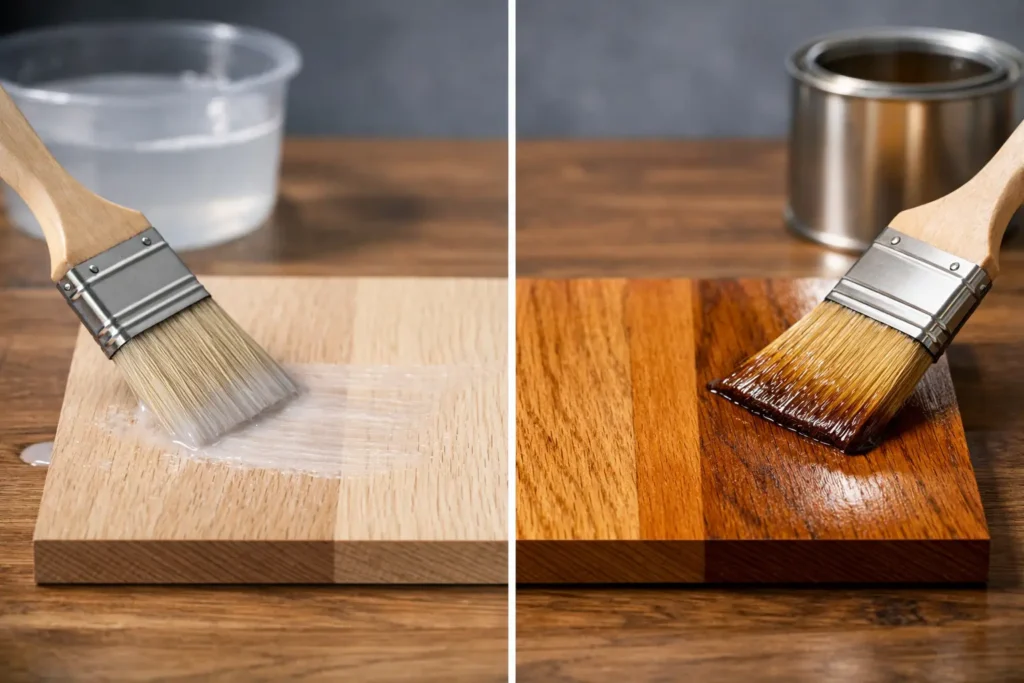
If you’re refinishing hardwood floors, the choice between water based vs oil based polyurethane affects far more than sheen. It changes how your floors look, how quickly the project moves, how strong the odor is, and how well the finish fits your household. For Connecticut homeowners, especially families with kids, pets, or allergy concerns, that decision matters just as much as the sanding itself.
At the same time, finish selection is only part of the result. Even the best polyurethane performs better when it’s applied over a properly prepared floor. That’s why homeowners across Hartford County often care about two things at once – getting a durable finish and getting it done without turning the home upside down. A professional dustless sanding system that leaves zero dust in the home makes that process cleaner, safer, and far more comfortable.
Water based vs oil based polyurethane for hardwood floors
Both finishes protect wood from wear, spills, foot traffic, and everyday life. The difference is in how they get there.
Water-based polyurethane dries clear, dries faster, and usually has a lower odor profile. It keeps the natural color of the wood closer to what you see after sanding or staining. That makes it a strong fit for homeowners who want a clean, lighter, more modern look.
Oil-based polyurethane adds a warmer amber tone and is often associated with a richer, traditional appearance. It generally takes longer to dry and has a stronger smell during application. Some homeowners prefer it specifically because it deepens the tone of classic oak floors and creates a more familiar, old-school hardwood look.
Neither option is automatically better. The right answer depends on your wood species, stain color, traffic level, timeline, and how sensitive your household is to odor.
How water-based polyurethane looks on the floor
Water-based polyurethane is often the best choice when you want to preserve the natural color of hardwood. On white oak, maple, and other lighter woods, it tends to keep the floor from yellowing over time. That appeals to homeowners who like a bright, clean finish that works well with contemporary interiors.
It also pairs well with gray, beige, and lighter brown stain colors because it does not add as much warmth after application. If you’ve spent time choosing a stain color, this matters. A finish can slightly shift the final appearance, and water-based products usually change it less.
In homes with open floor plans and a lot of natural light, that clarity can be a major advantage. Floors feel fresh rather than heavy, and the grain still shows through without looking overly dark.
How oil-based polyurethane changes the color
Oil-based polyurethane is known for warmth. It typically gives hardwood floors a golden or amber cast that becomes more noticeable as the floor ages. For some homes, especially older Connecticut homes with traditional trim, cabinetry, and warmer interior finishes, that look feels exactly right.
On red oak and other species with stronger natural character, oil-based polyurethane can enhance depth and make the floor feel more classic. If your goal is a cozy, richer appearance rather than a pale or neutral one, oil-based may be the better visual fit.
The trade-off is that the ambering is real. If you want a very specific light stain or a more natural Scandinavian-style appearance, oil-based polyurethane can push the final color warmer than expected.
Durability: which one holds up better?
This is where homeowners often expect a simple winner, but the real answer is more specific. High-quality water-based polyurethane is extremely durable and performs very well in active households. Many professional-grade water-based systems resist scratches, wear, and daily traffic at a very high level.
Oil-based polyurethane also has a long track record for durability and can build a strong protective film. Some homeowners still think of it as the tougher option because it has been used for so long. In practice, professional product quality and application matter as much as whether the finish is water- or oil-based.
For busy homes in Manchester, West Hartford, Glastonbury, and surrounding areas, the better question is not just which finish is harder. It’s which finish is right for your lifestyle. If you need strong protection with a faster return to normal use, water-based often makes more sense. If appearance is driving the decision and you want that traditional warm tone, oil-based may still be worth considering.
Drying time, odor, and day-to-day comfort
This is one of the biggest differences between water based vs oil based polyurethane, and for many families it becomes the deciding factor.
Water-based polyurethane dries much faster than oil-based. That can shorten project timelines and reduce how long floors need to be protected during curing. It also tends to have a lower odor, which many homeowners appreciate, especially in homes with children, pets, or sensitivity to strong smells.
Oil-based polyurethane dries more slowly and usually has a stronger odor during the finishing process. Some homeowners are comfortable with that trade-off because they want the warmer final appearance. Others know right away that lower odor and a quicker turnaround are more important.
This is where professional process matters. A clean refinishing job should not make your home feel like a construction site. Dustless Hardwood Floors LLC uses a proprietary dustless sanding system that leaves zero dust in the home, giving Connecticut homeowners a cleaner, more family-friendly refinishing experience from the start. When that dustless preparation is paired with the right finish, the entire project feels more controlled and less stressful.
Which finish is better for families, pets, and allergy-sensitive homes?
For many households, water-based polyurethane is the more comfortable choice. The lower odor and faster drying time are often better suited to homes where daily routines still matter. If you have children, pets, or anyone in the house who is sensitive to indoor air quality, water-based finishes are often easier to live with during the project.
That said, the cleanest possible refinishing experience starts before the finish goes on. Dust containment is a major quality-of-life issue for homeowners. A dustless sanding process that leaves zero dust in the home helps protect furniture, air quality, and the overall comfort of your living space.
For allergy-sensitive households, that combination matters – dustless sanding, professional application, and a finish chosen with indoor comfort in mind.
Cost differences and long-term value
Water-based polyurethane often costs more upfront, especially when professional-grade products are used. Oil-based polyurethane can sometimes look like the more budget-friendly option on paper. But total value is not just about material cost.
A faster drying schedule can reduce downtime and make the overall project easier to manage. For landlords, property managers, and homeowners preparing a property for sale, that timing can be valuable. For owner-occupied homes, convenience has value too.
Long-term appearance also matters. If you want floors to stay closer to their current tone, water-based polyurethane may help you avoid the amber shift that comes with oil-based aging. If that warm aging is part of the appeal, then oil-based may deliver better aesthetic value for your goals.
How to choose the right polyurethane for your floor
The best finish usually comes down to four questions. First, do you want the wood to stay natural-looking or turn warmer over time? Second, how important are lower odor and faster dry times? Third, what level of traffic does the floor get? Fourth, does your home include kids, pets, or allergy concerns that make a cleaner, lower-disruption process more important?
If you want a lighter, cleaner look with quicker drying and a more comfortable in-home experience, water-based polyurethane is often the better fit. If you want a richer, warmer, more traditional appearance and do not mind the longer drying time and stronger odor, oil-based polyurethane may be the better choice.
A professional should also factor in the species of wood, the stain color, the age of the floor, and the condition of the surface after sanding. Those details affect how the finish looks and performs over time.
Why application quality matters as much as the product
Homeowners sometimes focus only on the can label, but the finish is only as good as the prep work underneath it. Uneven sanding, poor screening between coats, or rushed application can compromise the result no matter which product you choose.
That is why refinishing should be approached as a system, not just a finish selection. Proper dustless sanding, careful surface preparation, and skilled polyurethane application all work together to produce a floor that looks beautiful and holds up to real life.
For Connecticut homeowners who want clean results without hassle, that matters. A licensed and insured contractor using a true dustless sanding system that leaves zero dust in the home gives you more than restored floors. It gives you confidence that the process will be clean, professional, and safe for your household.
The best polyurethane is the one that matches your home, your style, and your daily life. If you’re unsure, start with the outcome you want to live with every day – lighter and cleaner, or warmer and more traditional – and let that guide the choice.