
Introduction
Hardwood floors are one of the best features in a home. They look beautiful. They add value. And they never really go out of style. Protecting hardwood floors is essential to maintain their beauty. Protecting hardwood floors requires diligence, but with the right knowledge, it can be easy and rewarding.
But let’s be honest. They can be stressful to own.
A chair gets dragged. A drink spills. Sunlight hits the same spot every day. Before you know it, scratches show up and the shine fades.
The good news is this. Most damage is easy to prevent. You just need the right habits.
When you think about your home, remember that protecting hardwood floors is just as important as any other aspect of home maintenance. Protecting hardwood floors involves education and proactive measures to ensure longevity.
By incorporating simple habits for protecting hardwood floors into your daily routine, you can enjoy their beauty for years to come.
Ultimately, protecting hardwood floors requires regular attention and care, but the benefits are well worth the investment.
To be most effective at protecting hardwood floors, consider the impact of humidity and direct sunlight.
This guide walks you through simple ways to protect your hardwood floors. Nothing complicated. Just practical tips that actually work.
Being proactive about protecting hardwood floors can save you time and money in the long run.
Regular checks can ensure that you are actively protecting hardwood floors from moisture damage.
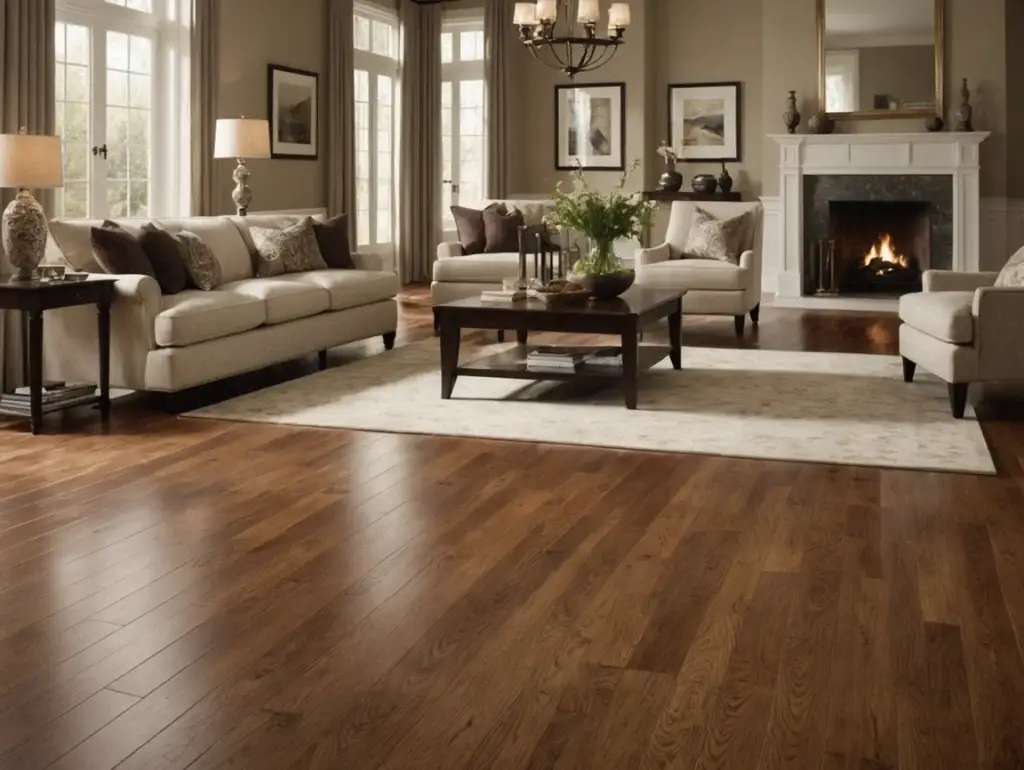
IMAGE What to use: Lifestyle image of clean, well lit hardwood floors. OR a simple “before vs after” visual
Investing in quality rugs can greatly assist in protecting hardwood floors, ensuring they remain scratch-free.
Additionally, protecting hardwood floors from pets and excessive foot traffic is vital to their longevity.
In conclusion, protecting hardwood floors not only enhances their aesthetics but also their longevity.
Make it a priority to consider all aspects of protecting hardwood floors in your home.
Every step you take in protecting hardwood floors counts in the long run and ensures their beauty endures.
Remind your family of the importance of protecting hardwood floors as a shared responsibility.
Taking small steps in protecting hardwood floors can save you from costly repairs later.
Using mats can help with protecting hardwood floors by minimizing dirt and moisture accumulation.
Always remember that protecting hardwood floors is an ongoing effort that yields great rewards.
When you commit to protecting hardwood floors, you enhance the overall environment of your home.
By focusing on protecting hardwood floors, you contribute to the sustainable maintenance of your living space.
Understanding how humidity affects protecting hardwood floors is crucial for long-term maintenance.
Actively protecting hardwood floors can lead to a healthier and happier home environment.
Small problems can escalate if you neglect protecting hardwood floors, leading to expensive repairs.
Protecting hardwood floors should be a regular part of your home maintenance checklist.
Every homeowner should prioritize protecting hardwood floors to ensure their longevity and appearance.
Protecting hardwood floors involves understanding their unique needs and taking proactive steps.
With the right approach to protecting hardwood floors, you can maintain their beauty for years.
Regular attention to protecting hardwood floors will save you money and time in the long run.
Learning the best methods for protecting hardwood floors can keep your home looking its best.
Consistent practices of protecting hardwood floors will lead to less wear and tear over time.
Ultimately, protecting hardwood floors is about making informed choices for your home.
By recognizing the importance of protecting hardwood floors, homeowners can enhance their living spaces.
Understanding the daily challenges can help in protecting hardwood floors effectively.
Scratches happen, but protecting hardwood floors can mitigate their impact.
Pets can pose a challenge in protecting hardwood floors, but with the right measures, it’s manageable.
H2: Why Hardwood Floors Need Protection
Water damage can be a serious issue; therefore, protecting hardwood floors from moisture is essential.
IMAGE: Simple infographic or visual diagram
Investing in quality rugs can greatly assist in protecting hardwood floors from scratches.
Be proactive in protecting hardwood floors from sunlight, which can lead to fading over time.
Knowing the right ways to clean is crucial in protecting hardwood floors and maintaining their look.
Hardwood floors deal with a lot every day. Foot traffic, pets, moving furniture, spills, and even sunlight can slowly wear them down. Over time, this can lead to scratches, fading, and damage. Protecting your floors helps prevent these issues and keeps them looking good for years.
Regular maintenance routines are a key part of protecting hardwood floors and ensuring their durability.
Practices for protecting hardwood floors can be incorporated seamlessly into your daily life.
Ultimately, protecting hardwood floors not only enhances their aesthetics but also their longevity.
With every step taken towards protecting hardwood floors, you contribute to their lasting beauty.
Invest time in protecting hardwood floors to enhance their appeal and longevity.
For pet owners, protecting hardwood floors requires additional strategies to prevent damage.
By staying informed, your efforts in protecting hardwood floors yield positive results.
Effective cleaning techniques are part of the larger strategy for protecting hardwood floors.
Regular maintenance is key to protecting hardwood floors from everyday wear and tear.
H3: They Are a Big Investment and Neglect Has a Cost
Every step taken toward protecting hardwood floors counts in the long run.
Hardwood floors cost real money. They are one of the first things people notice in a home. Well cared for floors can help a house sell faster and for more.
For added protection, consider using mats in entryways to help with protecting hardwood floors from dirt.
When hardwood floors are protected, they age nicely. The wood keeps its color. The surface stays smooth. Small signs of wear add character instead of damage.
But when floors are not protected, the investment starts to lose value. Scratches build up. Moisture sinks in. Sunlight causes uneven fading. What starts as small damage can quickly turn into expensive problems.
By focusing on protecting hardwood floors, you can avoid costly repairs in the future.
Understanding how humidity affects protecting hardwood floors is crucial for long-term maintenance.
Neglected floors often need refinishing much sooner than expected. In some cases, the damage cannot be fixed at all. This leads to higher repair costs and floors that no longer look appealing.
H3:Small Problems Get Expensive Fast
A few scratches can quickly turn into many as the finish wears down. Once that protective layer is gone, dirt and moisture slip inside and damage builds faster than most people expect.
Gaps between boards often seem harmless at first. Over time, they collect dust and water. Boards begin to shift, and some may warp or loosen as the problem spreads.Water causes the most damage of all. A small spill, a pet accident, or a hidden leak is enough. Wood absorbs moisture fast, leading to stains, swelling, and uneven floors.
Fixing these issues later costs more. Refinishing is expensive. Repairs take time. Most homeowners wish they had acted sooner.
H3: Prevention Is Easier Than Repairs
Ultimately, protecting hardwood floors is a journey that involves continuous learning and attention.
By sweeping regularly, using rugs in high traffic areas, and adding felt pads under furniture go a long way in protecting hardwood floors. These are easy habits that help prevent scratches and everyday wear.
Fixing damaged floors is usually more work and more money. Scratches and dents often mean sanding and refinishing, which can be messy and disruptive. Replacing boards can be tricky, especially when the flooring is older.
With simple preventive care, hardwood floors last much longer. The finish stays in good shape, the wood stays strong, and the floors keep looking good for years.
H2: What Damages Hardwood Floors Most
IMAGE: Grid-style infographic
Icon-based list (scratch, water, sun, pets, traffic)
Hardwood floors are built to last, but everyday habits can slowly wear them down. Simple things like walking, cleaning, and sunlight exposure all affect the surface over time. Understanding what causes the most damage helps you protect your floors and keep them looking their best for years to come.
H3: Scratches Happen Easily
Hardwood floors scratch more easily than many people expect. Moving chairs, pet claws, shoes, and toys all leave marks. Tiny bits of dirt are one of the biggest causes. Even when you cannot see grit, it still scratches the finish every time someone walks by.
H3: Water Is a Serious Threat
Water is one of the fastest ways to damage hardwood floors. Spills, leaks, or cleaning with too much water can cause the wood to swell or warp. If water sits too long, it can leave dark stains that are hard to remove.
H3: Sunlight Changes Color
Sunlight slowly changes the color of wood. Areas near windows fade over time. Spots under rugs or furniture stay darker. This makes the floor look uneven as the years go by.
H3: Busy Areas Wear Down Faster
Places with a lot of foot traffic wear out first. Entryways, hallways, kitchens, and living rooms lose their shine quicker than other rooms. The finish becomes dull from constant walking.
H3: Pets Add Extra Wear
Pets put extra stress on hardwood floors. Their claws can scratch the surface. Accidents and water spills can also leave stains if not cleaned right away.
H3: Wrong Cleaning Methods & Products Cause Damage
Many people damage their floors without realizing it. Steam mops and harsh cleaners slowly ruin the finish. Some products leave residue. Others strip away the protective layer. Over time, the floor loses its shine and looks worn.
H3: Understanding the Common Threats
Most hardwood floor damage comes from daily life. Scratches, water, sunlight, heavy foot traffic, pets, and the wrong cleaning products all play a role. Knowing what causes damage makes it easier to prevent it and keep your floors looking good longer.
Consider professional help if you feel overwhelmed by the task of protecting hardwood floors.
H2: Easy Ways to Prevent Damage
IMAGE: Checklist infographic
Do this / Not this” comparison visuals
Hardwood floors can last for many years when they are treated with care. Small daily habits, like protecting furniture and controlling dirt, help prevent scratches, wear, and fading. These easy steps make it simple to keep your floors looking clean and well cared for without extra effort.
H3: Protect Furniture Legs
Furniture is one of the main causes of scratches. Felt pads help prevent this. Place them under every chair, table, and sofa leg. Choose thick pads that stay in place. Check them often. Replace them when they wear out.
When moving furniture, always lift it. Never drag it across the floor. Dragging can leave deep scratches. For heavy items, use furniture glides or ask someone to help. Taking a little extra time protects your floor.
H3: Use Rugs in the Right Places
Rugs protect areas with heavy foot traffic. Place them near doorways. Use them under dining tables. Add them in living rooms.
Choose rugs with floor-safe backing. Avoid rubber or latex. These materials can damage the finish. Rotate rugs and furniture from time to time. This helps prevent fading and uneven wear.
H3: Use Entryway Mats
Entryway mats help stop dirt early. Place one mat outside the door. Place another mat inside. They catch dirt, sand, and moisture before it reaches the floor.
Choose mats designed for hardwood floors. Avoid rough or rubber backs that can cause damage
IMAGE FOR H3-level image ideas:
- Felt pads under furniture → close-up photo
- Rugs in high traffic areas → lifestyle image
- Entryway mats → practical setup photo
.
H3: Leave Shoes at the Door
Knowledge is power when it comes to protecting hardwood floors effectively.
Shoes bring in dirt and small grit. This slowly scratches the floor. A no-shoes rule makes a big difference. Floors stay cleaner and last longer.
Keep slippers or indoor shoes near the door. This keeps everyone comfortable.
H3: Move Furniture Occasionally
Floors wear faster when furniture stays in one place. Move furniture slightly every so often. This spreads pressure more evenly. It also helps prevent dark spots and fading.
H2: How to Clean Without Causing Damage
IMAGE: Step-by-step visual:
Sweep → Damp mop → Dry
OR “Safe vs Unsafe Cleaning Tools”
interlink (https://dustlesshardwoodfloorsllc.com/how-to-clean-wood-floors/) Cleaning hardwood floors the right way helps protect the surface and extend their life. Using gentle tools, the right amount of moisture, and safe cleaning products keeps the wood looking good without causing long term damage.
H3: Clean Lightly and Often
Dust and dirt may look harmless. They are not. On hardwood floors, they act like sandpaper. Every step pushes them into the surface. Over time, this causes scratches.
That is why regular cleaning matters. A little cleaning done often protects the floor. Use a microfiber mop, a soft broom, or a vacuum made for hard floors. These tools pick up dirt without damaging the finish.
H3: Damp Clean the Safe Way
Damp cleaning should only be done when needed. Hardwood floors do not like water. The mop should be slightly damp, never wet. If water drips, it is too much.
Always use a cleaner made for hardwood floors. pH neutral cleaners are the safest choice. They clean well without stripping the finish or leaving residue behind.
H3: What Not to Use
Some cleaning methods can damage your floor over time. Steam mops are one of the worst options. Heat and moisture can sink into the wood and cause warping.
Avoid ammonia and harsh chemicals. They slowly break down the protective finish. Oil soaps are also a problem. They leave buildup that attracts dirt and dulls the floor.
Never flood the floor with water. Too much moisture can cause swelling and permanent damage. Avoiding these mistakes helps your hardwood floors last longer and look better.
H2: Control Humidity and Sunlight
IMAGE Best format: Diagram or simple visual explanation
Controlling humidity and sunlight plays a big role in keeping hardwood floors in good shape. Wood reacts to changes in moisture and long periods of direct sun, which can affect both how your floors look and how long they last. By managing these two factors, you can help prevent damage and keep your floors looking their best over time.
H3: Humidity Affects Wood
Wood naturally absorbs and releases moisture from the air, so when humidity levels change, it expands and shrinks..
- Too much moisture can cause the boards to swell and cup.
- Too little moisture can make the boards shrink, leaving gaps between them.
These changes don’t just affect how your floors look. Over time, they can also weaken the floor’s structure.
H4: Common problems caused by poor humidity control include:
- Gaps between boards
- Cupping or crowning
- Uneven surfaces
- Long term structural damage
Many homeowners struggle with this, especially in areas where the weather changes a lot throughout the year.
H3: Keep indoor Humidity Balanced
The best way to protect your hardwood floors is to keep indoor humidity steady, ideally between 35 and 55 percent.
If your home feels too dry, a humidifier can add moisture to the air. If it feels damp, a dehumidifier can help remove excess moisture. Using the right device for your climate can make a big difference and help prevent costly repairs later.
Keeping humidity consistent helps your floors stay stable and prevents expanding, shrinking, and other damage caused by environmental changes.
H3: Reduce Sun Damage
Sunlight can be just as damaging as moisture. Over time, direct sunlight can fade hardwood floors and create uneven color patches.
To reduce sun damage:
- Use curtains, blinds, or drapes during the brightest parts of the day
- Install UV-blocking window film to filter harmful rays
- Choose window coverings that allow light without direct exposure
Helpful tip: Rotate area rugs and move furniture occasionally. This allows sunlight to hit different areas evenly, preventing noticeable fading or wear marks.
H2: Living With Pets and Hardwood Floors
Interlink https://dustlesshardwoodfloorsllc.com/pet-stain-removal-from-hardwood-floors/
Pets are part of the family, and having hardwood floors should not make daily life stressful. With a few smart habits and some simple protection, you can enjoy both your pets and your floors without constant worry.
IMAGE Best format: Real-life scenario photos,Calm, realistic visuals (not stocky extremes)
H3: Keep Pet Nails Short
One of the biggest causes of scratches on hardwood floors is long pet nails. When nails are trimmed and filed regularly, pets are less likely to leave marks when they walk, run, or play. Making nail care part of your routine is one of the easiest and most effective ways to protect your floors and keep your pets comfortable.
H3: Act Fast on Accidents and Spills
Even well trained pets have accidents from time to time. The most important thing is to clean them up right away. Pet urine and spills can soak into hardwood if left too long, leading to stains and unpleasant odors. Gently blot the area and use a cleaner that is safe for hardwood floors and pet messes. Avoid harsh products, as they can damage the floor’s finish.
H3: Set Up Pet Friendly Zones
Creating designated areas for your pets can greatly reduce wear on your floors. Place waterproof mats under food and water bowls to catch spills before they spread. In areas where pets play or move around a lot, rugs or runners add protection and help prevent slipping.
H3: Extra Protection for Active or Multi Pet Homes
Homes with large pets, multiple animals, or very active pets may need a little extra care. Using runners in high traffic play areas helps limit scratches and wear. You can also consider indoor pet booties for energetic pets to reduce floor damage during playtime. Choosing durable hardwood finishes can add another layer of protection without changing the look of your home.
With a few thoughtful changes, you can create a space that works for both your pets and your hardwood floors. It is all about balance, consistency, and choosing solutions that fit your lifestyle.
H2: What to Do When Spills Happen
Spills are bound to happen, but how you handle them makes all the difference. Acting quickly and using the right method can help prevent stains and long-term damage to your hardwood floors.
SAME IMAGE Best format: Real-life scenario photos,Calm, realistic visuals (not stocky extremes)
H3: Blot, Do Not Wipe
The most important rule is simple: blot the spill right away using a clean, dry cloth. Do not wipe or rub the area. Wiping spreads the liquid and can push moisture deeper into the wood, which may lead to staining or warping. Blotting gently lifts the liquid off the surface without harming the finish.
H3: Handle Different Spills Carefully
Not all spills are the same, so it helps to treat each one the right way.
Effective strategies for protecting hardwood floors are crucial for every homeowner.
H4: Water or other liquid spills
Dry the area immediately. Press the cloth gently over the spill to soak up as much moisture as possible. The faster you dry it, the less chance the water has to seep into the wood.
H4: Oil or grease spills
First, absorb the grease before cleaning. Sprinkle a small amount of baking soda or cornstarch over the spill and let it sit for a few minutes. This helps draw out the oil. Once absorbed, gently wipe the area clean.
H4: Food spills
If there are solid pieces, gently scrape them off using a soft tool. After that, clean the area carefully with a damp cloth and dry it right away. Avoid soaking the floor.
H4: When to Call a Professional
Some stains are stubborn and won’t come out easily. If you notice the stain spreading, getting darker, or if you are unsure how to clean it safely, it’s best to call a professional. Trying too hard with the wrong method can sometimes cause more harm than good.
Knowing when to stop and get expert help can save your surface from permanent damage.
H2: Know Your Floor Finish
Knowing your floor finish makes a big difference in how you care for your hardwood floors. The right finish affects how your floor handles spills, scratches, and cleaning products. When you understand what finish you have, it becomes much easier to protect your floors and keep them looking great for years to come.
H3: Understanding Your Hardwood Floor Finish in a Simple Way
Not all hardwood floors are the same, and that’s something many homeowners don’t realize. Some floors have a tough protective layer, while others are more natural and need gentle care. Once you know what type of finish your floor has, cleaning and maintaining it becomes much easier and less stressful.
H3: Common Hardwood Floor Finishes Explained
IMAGE Best format:Comparison infographic or table-style visual
Hardwood finishes protect your floor in different ways. Some finishes sit on top of the wood and act like a shield. Others soak into the wood and protect it from the inside. This affects how your floor looks, how strong it is, and how you should take care of it.
The type of wood also matters. Softer woods like pine can scratch or dent more easily, even with a good finish. Harder woods like oak or maple hold up better but still need the right care to keep their finish looking good.
Expert tip: If you are not sure what finish your floor has, check any paperwork from when the floor was installed or ask a flooring professional. Knowing whether your floor has a polyurethane, oil-based, water-based, or wax finish helps you avoid using the wrong cleaner.
H4: Polyurethane and Water-Based Finishes
These finishes are very common, especially in newer homes. They create a protective layer on top of the wood, which helps guard against spills, scratches, and daily wear.
Floors with these finishes are easy to maintain. Regular sweeping or vacuuming and light mopping with a hardwood floor cleaner usually does the job. Avoid strong chemicals and steam cleaners, as they can slowly damage the protective layer.
H4: Oil-Based Finishes
Oil-based finishes soak into the wood instead of sitting on top. This gives the floor a warm, natural look that many people love. The trade-off is that these floors need a bit more care.
Oil-finished floors often need to be re-oiled from time to time to stay protected. Cleaning should be gentle, using products made for oil-finished wood. Too much water or the wrong cleaner can dry out the wood and cause damage.
H4: Wax Finishes
Wax finishes are more traditional and not as common today. They give floors a soft shine and a classic look but require regular upkeep.
These floors need occasional buffing and rewaxing to stay protected. Water and standard hardwood cleaners can harm the wax, so it’s best to use wax-safe products and keep moisture to a minimum.
H3: Match Your Cleaning to Your Finish
One of the most common problems homeowners face is using the wrong cleaner. A product that works well on a sealed floor can damage an oil or wax finish.
Always choose cleaning products made for your specific floor finish. Stay away from all-purpose cleaners and homemade solutions unless they are clearly safe for your floor. If you are unsure, test the product in a small hidden spot first.
Once you understand your floor’s finish, caring for your hardwood floors becomes much simpler. The right knowledge helps you protect your floor, keep it looking good, and avoid costly mistakes.
H2: Small Fixes vs Professional Help: When to DIY vs. Call an Expert
Hardwood floors are meant to be lived on, so a few marks here and there are normal. Over time, you may notice light scratches, scuffs, or a finish that does not look as shiny as it used to. Some of these issues are easy to fix on your own, while others really need a professional touch. Knowing which is which can save you money and help your floors last longer.
H3: Fixing Minor Scuffs and Light Scratches
Small scuffs and surface scratches are usually the easiest problems to deal with. If the damage is only on the surface and the wood itself is not exposed, you can often fix it at home.
Wood floor touch up pens, wax sticks, or small repair kits work well for this. They are made to blend in with your floor color and hide light marks. The most important step is matching the color as closely as possible. Always test the product in a hidden area first.
Start by cleaning the spot so there is no dirt or dust. Gently apply the touch up product along the grain of the wood. Wipe off any extra and let it dry. In many cases, the scratch will fade into the floor and be much less noticeable.
H3: When a Professional Re Coating Makes Sense
Make protecting hardwood floors a family affair by sharing tips and strategies.
If your floors look dull, worn, or scratched in several places, a professional re coating might be the right option. This process refreshes the top finish without sanding the floor down to bare wood.
You may want to consider re coating if your floors have lost their shine, show light wear in busy areas, or feel rough underfoot. A professional cleaning, buffing, and new coat of finish can bring back the shine and protect the surface.
By working together, families can ensure the success of protecting hardwood floors in their home.
Many flooring professionals suggest doing this kind of maintenance every few years. Regular re coating can keep your floors looking good and often delays the need for a full refinishing, which costs more and takes more time.
H3: When Full Refinishing Is Needed
Some damage is too deep for simple fixes. Deep scratches, large gouges, water damage, or areas where the finish is completely worn away usually mean the floor needs full refinishing.
Refinishing involves sanding the floor down to the natural wood and applying a new finish from scratch. It is a bigger job, but it can completely change the look of floors that are heavily worn or damaged.
If you see bare wood, dark stains, or damage across large areas, it is best to call a professional for advice.
H3: Why a Professional Opinion Matters
If you are not sure what your floors need, getting a professional opinion can make a big difference. A certified hardwood flooring expert can check the condition of your floors and suggest the best solution.
Many experts agree that homeowners often refinish too early. One flooring professional puts it simply, “If the finish is worn but the wood is still strong, a re coating can add years to your floor without the cost or mess of sanding.”
With diligence, anyone can contribute to the mission of protecting hardwood floors.
A quick professional assessment can help you avoid unnecessary work and make sure your hardwood floors get the right care at the right time.
The goal of protecting hardwood floors is to maintain their charm and functionality.
Ultimately, protecting hardwood floors involves regular evaluation and adjustments to your strategy.
H2: Extra Care for Special Floors
Stay aware of the practices for protecting hardwood floors to enhance their lifespan and beauty.
Hardwood floors are not all the same. Some need extra attention, especially in older homes or when the wood type is more delicate. With the right care, even the most fragile floors can last for generations.
H3: Protecting Historic and Antique Hardwood Floors
If you live in an older home, your hardwood floors may be original. That makes them beautiful, but also more vulnerable. Many historic floors were finished with materials like shellac or varnish instead of modern polyurethane. These finishes can react badly to harsh cleaners, too much water, or heavy scrubbing.
A preservation-focused approach works best here. Clean gently using a soft cloth or mop that is only slightly damp. Avoid steam mops and strong chemicals, as they can strip old finishes or cause warping. When damage does occur, spot repairs and light restoration are often better than full refinishing. This helps keep the floor’s character and history intact.
H3: Tailoring Care for Specific Wood Species
The type of wood matters more than many people realize. Softer woods like pine or fir scratch and dent more easily than harder woods such as oak or maple. Exotic woods may contain natural oils that react differently to cleaners or finishes.
Pay attention to density and grain patterns. Soft, wide grain woods need rugs in high traffic areas and felt pads under furniture. Harder woods still need protection, but they can handle slightly more wear. Always choose cleaning products made for your specific finish, whether it is oil based, water based, or natural.
H3: The Hardwood Floor Longevity Guide: Maximizing Lifespan
Long lasting floors are the result of small, consistent habits. Use quality rugs instead of thin, cheap ones that slide around and trap grit. The upfront cost may be higher, but good rugs protect better and last longer.
The same goes for maintenance. Simple DIY care like regular sweeping and proper humidity control saves money over time. Professional maintenance costs more initially, but it can prevent major repairs or full refinishing later. In most cases, spending a little more now means spending much less in the future.
H3: Beyond the Basics: Professional Maintenance Considerations
Protecting hardwood floors requires a commitment from all family members to be effective.
Consider creating a family guideline for protecting hardwood floors that everyone can follow.
Some situations call for expert help. Deep cleaning, small repairs, or special treatments are best handled by professionals who understand hardwood flooring. Homes with older or softer wood floors often benefit from a professional checkup every few years.
Remember, protecting hardwood floors is a shared responsibility among all household members.
Organizations like the National Wood Flooring Association set industry standards and can help you find certified professionals. Expert advice at the right time can stop minor issues from turning into costly problems and keep your floors looking their best for years to come.
Older floors may need gentler care, but with the right approach, they can remain strong, beautiful, and full of character.
H2: Quick Hardwood Floor Care Checklist
Here’s a simple, no stress checklist you can follow to keep your hardwood floors looking great every day:
- Use felt pads under furniture
- Place rugs or runners in high traffic areas
- Use entryway mats at all doors
- Remove shoes indoors
- Clean gently and often
- Use cleaners made for hardwood floors
- Keep indoor humidity balanced
- Block strong sunlight
- Trim pet nails regularly
- Blot spills right away
- Schedule professional care when needed
H2: Your Hardwood Floor Protection Checklist
IMAGE Best format: Minimal icons or printable-style infographic
Below is a clear, easy to follow table that breaks down the most effective ways to protect your hardwood floors. It shows what each method does, how much it usually costs, and whether it’s something you can do yourself or may need professional help for.
| Protection Method | Primary Benefit | Typical Cost | Effort Level | DIY or Professional | Notes and Considerations |
| Felt Furniture Pads | Prevents scratches and dents | $$$ | Low | DIY | Check pads every few months and replace worn ones. Make sure they stick firmly and fully cover furniture legs. |
| Area Rugs and Runners | Reduces wear and absorbs impact | $$ | Low to Medium | DIY | Use rugs with floor safe backing. Rotate them occasionally to prevent uneven fading. |
| Entryway Mats | Traps dirt and moisture | $ | Low | DIY | Use both outdoor and indoor mats to catch debris before it reaches your floors. Shake or clean them often. |
| No Shoes Indoors | Eliminates grit and prevents scuffs | $ | Low | DIY | Consistency matters. A shoe rack or basket near the door helps make this habit easier. |
| Regular Dry Cleaning | Removes dirt that causes scratches | $ | Low | DIY | Sweep or dust mop daily or a few times a week. Use a soft broom or microfiber mop. |
| pH Neutral Damp Cleaning | Cleans without damaging the finish | $ | Medium | DIY | Clean once or twice a month. Wring out the mop well and never leave standing water. |
| Humidity Control | Prevents wood from expanding or shrinking | $$ to $$$ | Medium | DIY or Professional | Keep humidity between 35 and 55 percent. A hygrometer helps monitor indoor levels. |
| UV Window Treatments | Prevents fading and discoloration | $$ to $$$ | Medium | DIY or Professional | Curtains, blinds, or window film all work. Rearranging furniture helps reduce uneven color changes. |
| Pet Nail Trimming | Prevents claw marks | $ | Low | DIY or Groomer | Trim nails regularly or schedule routine grooming to avoid surface scratches. |
| Pet Mats for Food and Water | Prevents water and food damage | $ | Low | DIY | Choose waterproof mats with non slip backing and clean them often. |
| Immediate Spill Blotting | Prevents stains and water damage | $ | Low | DIY | Act fast. Blot gently with a dry cloth and never rub the spill into the floor. |
| Wood Floor Touch Up Pen | Fixes small surface scratches | $ | Low | DIY | Works best on light scratches. Match the color carefully and test in a hidden area first. |
| Professional Re Coating | Restores finish and extends floor life | $$$ | Low | Professional | Usually needed every few years. It refreshes the surface and delays full refinishing. |
Bonus Resource: Seasonal Hardwood Floor Care Calendar
For long term protection, consider downloading a Seasonal Hardwood Floor Care Calendar. This printable checklist walks you through what to focus on each season, like checking humidity in winter or protecting floors from sun exposure in summer. It’s an easy way to stay consistent and adjust your care routine throughout the year.
Utilizing correct tools while cleaning contributes to protecting hardwood floors effectively.
H2: FAQ Set (Final)
- What do you put on hardwood floors to protect them?
Answer: To protect hardwood floors, you can put felt pads under furniture and use rugs or mats in areas where people walk the most. Hardwood floors are usually sealed with a protective finish like polyurethane, which helps prevent damage. If you want extra shine and light scratch protection, you can also use a hardwood floor polish. Regular cleaning and keeping indoor humidity at a normal level will help your floors stay protected longer.
- What is the best way to care for hardwood floors?
Answer: The best way to care for hardwood floors is through regular cleaning, moisture control, and surface protection. Sweep or vacuum often to remove dirt that can scratch the finish. Wipe up spills immediately and avoid wet mopping to prevent water damage.
Protect floors by using rugs in high-traffic areas and felt pads under furniture. Keep indoor humidity at a stable level to prevent warping or gaps. Recoat or refinish the floor when the finish shows wear to maintain durability and long-term value.
- Do hardwood floors need to be sealed?
Answer: Yes. Hardwood floors need to be sealed to protect them from water, stains, and everyday wear. Unsealed wood can absorb moisture and get damaged over time.
If the floor is unfinished, it must be sealed right after installation. If the floor is prefinished, it is already sealed and does not need extra sealing until the finish starts to wear down.
A simple way to check is to place a few drops of water on the floor. If the water beads up, the floor is sealed. If it soaks in, the seal is worn or missing.
Sealing helps hardwood floors last longer and makes them easier to clean and maintain.
- What is the best finish for hardwood floors?
Answer: For most homes, water-based polyurethane is the best choice. It’s durable, dries quickly, has very little odor, and keeps the wood from turning yellow over time.
Oil based polyurethane is just as tough and gives the floor a warmer, richer look, but it takes longer to dry, has a stronger smell, and can yellow as it ages.
Hardwax oil is a good option if you prefer a natural, matte finish and want to feel the wood grain, but it requires more regular maintenance and isn’t ideal for high traffic areas.
- How often should hardwood floors be refinished or re-coated?
Answer: Most hardwood floors don’t need to be fully refinished nearly as often as people think. In many homes, a simple re-coating every three to five years is enough to bring back the shine and protect the floor, as long as the wood itself isn’t damaged. Re-coating adds a fresh layer of finish and helps prevent wear from reaching the wood.
Full refinishing is a much bigger job and should only be done when it’s actually necessary. This usually means the finish has worn completely through, bare wood is showing, or there is deep damage from scratches, pets, or water. Sanding removes a thin layer of wood each time, so doing it too often can shorten the life of the floor.
The key is timing. If you re-coat when the floor starts to look dull instead of waiting until the wood is exposed, you can go 15 to 20 years or even longer before needing a full refinish. With basic care and proper cleaning, solid hardwood floors can last for decades without frequent sanding.
H2: Final Thoughts
Hardwood floors are made to be enjoyed, not stressed over. With a little care and some simple habits, they can stay beautiful for many years. Most floor damage doesn’t happen overnight. It comes from everyday things like dirt, small spills, moving furniture, and sunlight. The good news is that most of this damage is easy to prevent.
You don’t need fancy products or a complicated routine. Small actions make the biggest difference. Using felt pads, placing rugs in busy areas, cleaning gently, and wiping up spills right away all help protect the surface. When you stay consistent, your floors hold their shine longer and wear more evenly over time.
It also helps to know when to step in. Taking care of small issues early, like light scratches or dull spots, can prevent bigger problems later. And when something feels beyond a simple fix, getting professional advice can save you time and money in the long run.
At the end of the day, hardwood floors are an investment in your home. When you treat them well, they reward you with warmth, character, and lasting beauty. A little care today goes a long way toward keeping your floors looking great for decades to come.
Remember, protecting hardwood floors requires consistent effort from all family members.
Consider professional help if you feel overwhelmed by the task of protecting hardwood floors.
Ultimately, protecting hardwood floors is about making informed choices for your home.
Regular maintenance routines play a major role in protecting hardwood floors.