
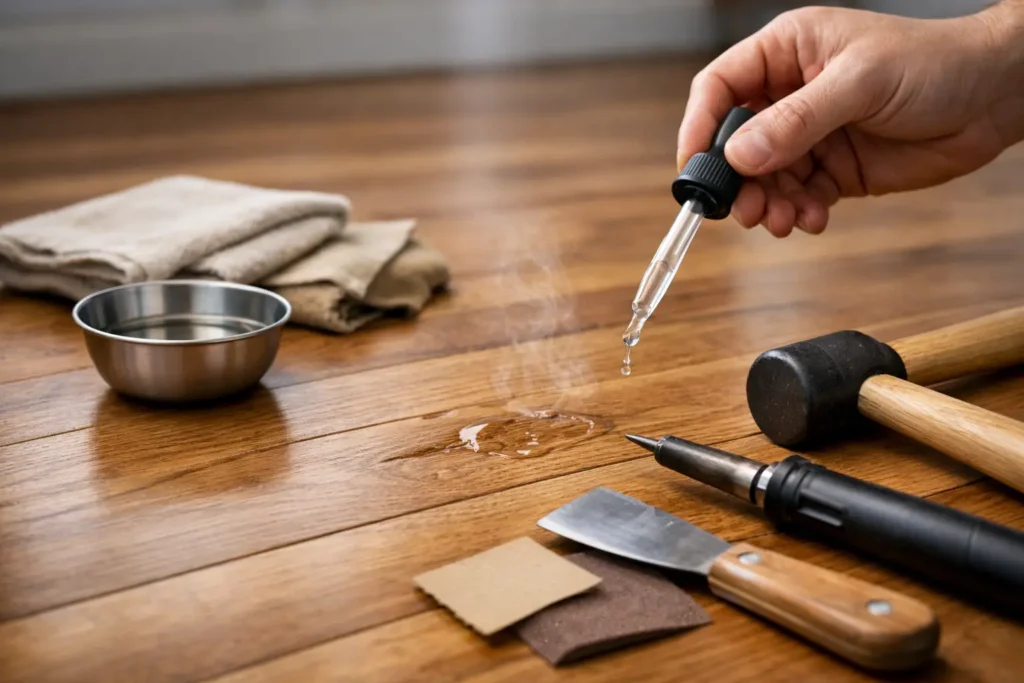
A dropped cast iron pan. A chair leg dragged across the kitchen. A dog that hits the corner too hard and leaves a mark in the same spot every day. Hardwood floors do not need much to show damage. Dents or gouges tend to stand out even more once the light hits them.
A dropped cast iron pan. A chair leg dragged across the kitchen. A dog that hits the corner too hard and leaves a mark in the same spot every day. Hardwood floors do not need much to show damage. Dents or gouges tend to stand out even more once the light hits them. These types of damages not only affect the aesthetics of your home but can also decrease the value of your property if left unattended. Repairing these issues promptly and effectively helps to maintain the overall appeal of your flooring.
These imperfections can cause frustration for homeowners who take pride in their flooring. Beyond just the visual aspect, addressing these damages also contributes to the safety of your home. For example, a gouge can create a tripping hazard for children and elderly family members. Understanding how to properly address these issues is essential for maintaining the beauty and longevity of hardwood floors, thus providing peace of mind while ensuring your living environment is safe.
To effectively learn how to repair hardwood floor dents and gouges, follow our detailed steps and recommendations. We’ll also provide insight into preventative measures to keep your floors looking pristine, which can save you time and money in the long run. By being proactive, you can minimize the risk of future damage and prolong the life of your flooring.
Understanding how to repair hardwood floor dents and gouges is crucial for every homeowner. Often, the problem may seem daunting, but with the right tools and techniques, these repairs can be completed efficiently. This knowledge can also empower you to tackle minor mishaps as they occur, rather than waiting for them to accumulate and worsen.
Hardwood flooring is a popular choice for homeowners due to its durability and timeless appeal. However, even the most resilient hardwood can suffer from dents and gouges over time. Understanding the nature of the damage is the first step toward effective repair. Additionally, factors like humidity, temperature, and the type of wood can influence how well the flooring holds up over the years.
Various factors contribute to the condition of your hardwood floors, including traffic patterns, furniture placement, and even the type of wood used. Identifying the specific issue at hand will determine the most effective repair method. For instance, a specific type of wood might respond differently to moisture compared to another type, impacting how you choose to repair the damage.
When considering how to repair hardwood floor dents and gouges, it’s important to assess the extent of the damage and choose the right method for repair. This can range from simple DIY methods to professional repairs. Knowing when to call in a specialist can also save you time and ensure the job is done correctly.
By learning how to repair hardwood floor dents and gouges properly, you can restore your flooring efficiently. Additionally, maintaining a regular cleaning and care routine can help prevent these issues from arising in the first place. Regularly inspecting your floors for any signs of wear can also help you catch problems early.
As you explore these methods, keep in mind the importance of knowing how to repair hardwood floor dents and gouges. This knowledge will help you maintain the quality of your flooring and prevent future issues. Moreover, understanding the right products and materials to use will enhance the durability of your repairs.
By understanding the various techniques, you’ll be well-equipped to know how to repair hardwood floor dents and gouges. This ensures your wooden surfaces remain beautiful and functional for years to come. Implementing these techniques can also lead to increased satisfaction with your home environment.
In this article, we will delve deeper into the various methods for tackling these issues. We will provide detailed instructions, tips, and tricks for each type of damage. This comprehensive guide will cover everything from minor surface scratches to significant gouges that may require professional assistance.
This ensures you have the knowledge necessary to make effective repairs. By the end of this guide, you will feel empowered to restore your hardwood floors to their original glory. You will also have a better understanding of how to maintain your floors moving forward, which can be instrumental in preserving their value.
If you are trying to repair hardwood floor dents and gouges, the first step is figuring out what kind of damage you are actually looking at. It’s important to carefully inspect the affected area and determine if the dent can be raised or if the gouge needs more extensive repair work.
A shallow dent can often be fixed easily with simple techniques, such as using water and heat to swell the wood fibers back into place. Techniques such as placing a damp cloth over the dent and applying heat with an iron can yield satisfying results. Many homeowners have found success with this method when addressing minor surface blemishes.
A deep gouge, on the other hand, may require more extensive work, such as sanding down the area, applying wood filler, and refinishing the surface to blend it seamlessly with the surrounding floor. This process may take more time but results in a more durable and visually pleasing repair.
Additionally, finish loss, which exposes the raw wood underneath, can lead to further damage if not addressed promptly. Applying a new protective finish can prevent moisture and dirt from penetrating the wood, thus extending the life of your flooring.
Board-level damage, like cracks or splits, may necessitate board replacement to restore the integrity of the floor. This process can be more involved, often requiring you to match the new board with your existing flooring, which may involve refinishing the entire floor to ensure a cohesive look.
These imperfections can cause frustration for homeowners who take pride in their flooring. Understanding how to properly address these issues is essential for maintaining the beauty and longevity of hardwood floors. In this guide, we will explore various methods and tips for repairing hardwood floor dents and gouges, ensuring your floors look their best.
To effectively learn how to repair hardwood floor dents and gouges, follow our detailed steps and recommendations.
Understanding How to Repair Hardwood Floor Dents and Gouges
Hardwood flooring is a popular choice for homeowners due to its durability and timeless appeal. However, even the most resilient hardwood can suffer from dents and gouges over time. Understanding the nature of the damage is the first step toward effective repair.
Various factors contribute to the condition of your hardwood floors, including traffic patterns, furniture placement, and even the type of wood used. Identifying the specific issue at hand will determine the most effective repair method.
When considering how to repair hardwood floor dents and gouges, it’s important to assess the extent of the damage and choose the right method for repair.
By learning how to repair hardwood floor dents and gouges properly, you can restore your flooring efficiently.
As you explore these methods, keep in mind the importance of knowing how to repair hardwood floor dents and gouges. This knowledge will help you maintain the quality of your flooring and prevent future issues.
By understanding the various techniques, you’ll be well-equipped to know how to repair hardwood floor dents and gouges. This ensures your wooden surfaces remain beautiful and functional for years to come.
In this article, we will delve deeper into the various methods for tackling these issues. We will provide detailed instructions, tips, and tricks for each type of damage.
This ensures you have the knowledge necessary to make effective repairs. By the end of this guide, you will feel empowered to restore your hardwood floors to their original glory.
If you are trying to repair hardwood floor dents and gouges, the first step is figuring out what kind of damage you are actually looking at.
A shallow dent can often be fixed easily with simple techniques, such as using water and heat to swell the wood fibers back into place.
A deep gouge, on the other hand, may require more extensive work, such as sanding down the area, applying wood filler, and refinishing the surface to blend it seamlessly with the surrounding floor.
Additionally, finish loss, which exposes the raw wood underneath, can lead to further damage if not addressed promptly.
Ultimately, knowing how to repair hardwood floor dents and gouges not only helps in maintaining the beauty of your floors but also enhances their durability. With the right techniques, you can keep your flooring looking great for years to come, ensuring that they remain a source of pride in your home.