
If your hardwood floors are scratched, dull, or worn down in the busiest parts of the house, the first question is usually not about stain color. It is about timing. Homeowners want to know how long the job will affect daily life, when furniture can go back, and how soon the room will feel normal again.
The honest answer is that hardwood floor refinishing is not one fixed number. Most projects take anywhere from 2 to 5 days for the refinishing work itself, and a few additional days may be needed before full use, depending on the finish. The size of the space, the condition of the wood, and whether you are changing stain color all affect the schedule.
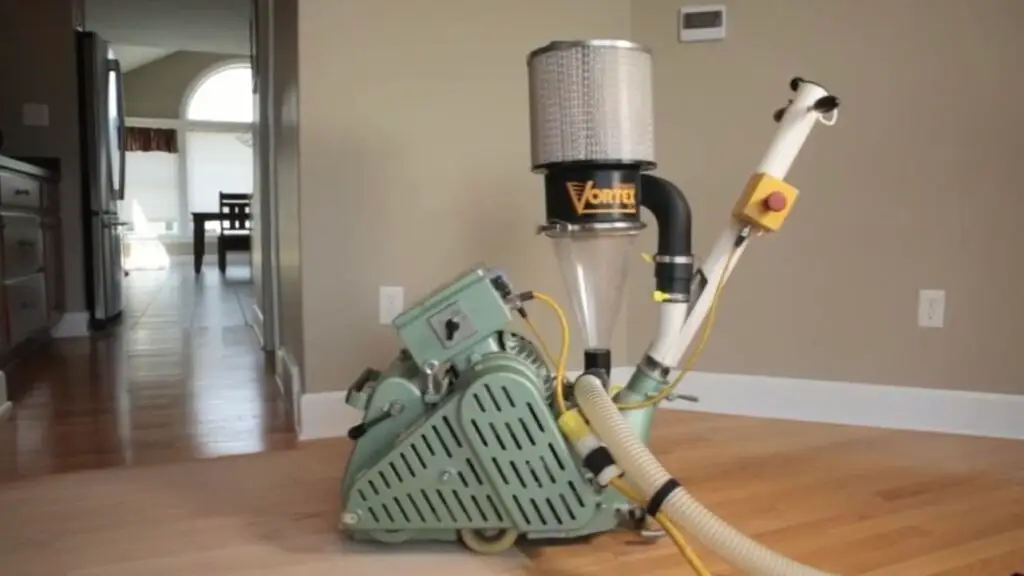
For Connecticut homeowners, especially busy families and property owners planning around work, pets, and move-in dates, that range matters. So does the process. A dustless sanding system changes the experience in a big way because it keeps the home clean throughout the project. That means no cloud of airborne dust settling through nearby rooms, and a much more comfortable refinishing process for children, pets, and allergy-sensitive households.
How long does hardwood floor refinishing take in a typical home?
For an average room or a modest main-floor area, sanding and refinishing often takes 2 to 4 days. Larger homes, multiple connected rooms, and floors that need repairs can push the schedule closer to 5 days or more. If the floor only needs a light screen and recoat rather than full sanding, the timeline can be shorter.
A simple project moves faster. If the wood is in decent shape, the stain color is staying similar, and there are no damaged boards to replace, the job tends to stay on the lower end of the range. If the floor has deep scratches, pet stains, black water marks, cupping, or old finish buildup, the work usually takes longer because the surface needs more attention before the final coat ever goes down.
Dry time matters just as much as work time. Even after the final coat is applied, floors need time to cure before they are ready for rugs, heavy furniture, or full traffic. This is why a contractor should talk about the total timeline, not just the sanding day.
What affects how long hardwood floor refinishing takes?
Square footage is the most obvious factor, but it is not the only one. A 300-square-foot living room is very different from 300 square feet split between a hallway, stairs, closets, and tight corners. Layout affects labor. Open spaces move faster than chopped-up floor plans.
The condition of the hardwood also matters. Floors with minor wear can usually be prepared and finished more efficiently than floors with gouges, loose boards, old patchwork, or moisture damage. If repairs are needed before refinishing, that adds time but also improves the final result.
Stain choice can lengthen the project. Natural or close-to-original tones often allow for a more straightforward process. A dramatic color change, especially going very dark or correcting uneven previous stain, usually requires more precision and more drying time between steps.
The type of finish plays a major role too. Some finishes dry faster and allow lighter foot traffic sooner, while others need a longer cure window for best performance. A homeowner with kids, pets, or a packed schedule should ask about both dry time and cure time, because those are not the same thing.
Weather and indoor conditions can also affect timing. Connecticut humidity levels, especially in warmer months, can slow drying. Good environmental control helps, but every home is a little different.
A realistic day-by-day refinishing timeline
Most homeowners feel more comfortable when they can picture the job in real terms. While every project is different, a standard hardwood refinishing schedule often looks something like this.
Day 1: Prep and dustless sanding
The first day is usually focused on preparation and sanding the old finish off the floor. If there are damaged boards, minor repairs may happen at this stage as well. With a professional dustless sanding system, the work area stays clean and controlled instead of leaving fine dust throughout the home. That is a major advantage for families who want beautiful results without turning the house upside down.
Day 2: Detail sanding, stain, or first finish coat
If the floor is being stained, this day may include final prep and stain application. If no stain is being added, the first coat of finish may go on sooner. The exact sequence depends on the wood species, the floor condition, and the finish system being used.
Day 3: Additional coat or drying time
Many floors need multiple coats for protection and appearance. This day may involve buffing between coats, applying another finish coat, or allowing proper dry time before the next step.
Day 4 and beyond: Final coat and cure window
For larger spaces or more customized jobs, the final coat may be applied on day 4. After that, careful foot traffic may be allowed within a certain time frame, but furniture replacement and rug placement usually need to wait longer.
That is why the best answer to how long does hardwood floor refinishing take is often this: expect a few days for the work, plus extra time for proper curing before everything goes back to normal.
When can you walk on refinished hardwood floors?
This is one of the most important practical questions, especially for households with children or pets. In many cases, light sock-foot traffic may be allowed within 24 hours of the final coat, but full use takes longer. Shoes, pet nails, heavy furniture, and area rugs should wait until the finish reaches the recommended cure stage.
Moving too quickly can leave dents, scuffs, or trapped moisture under rugs and pads. That can affect the final look and durability. A good refinishing contractor will give you a clear aftercare timeline based on the exact finish used in your home.
For homeowners trying to plan around a move, a holiday, or incoming guests, this part is worth discussing early. The room may look finished before it is ready for normal life.
Why the refinishing process matters as much as the timeline
A shorter timeline sounds great, but speed should never come at the expense of finish quality or indoor comfort. That is where dustless refinishing stands out.
A true dustless sanding system keeps the process clean from start to finish, which makes a real difference in lived-in homes. Instead of worrying about fine particles settling onto furniture, walls, vents, or nearby rooms, homeowners can expect a cleaner experience and healthier indoor conditions throughout the project. For families in Manchester, West Hartford, Glastonbury, and surrounding Hartford County communities, that peace of mind is often just as valuable as the restored floors themselves.
This is especially important in homes with young children, pets, or anyone sensitive to indoor air quality. Clean refinishing is not just a convenience. It is part of making the project easier, safer, and more comfortable while the work is being done.
Can you speed up hardwood floor refinishing?
Sometimes yes, but only to a point. Choosing a simpler stain, limiting repairs, and refinishing smaller areas can all help shorten the schedule. Good planning helps too. Removing furniture ahead of time, confirming stain choices before the crew arrives, and making sure the work area is accessible can keep the project moving.
What should not be rushed is drying and curing. That is where shortcuts can create problems that show up later as scratches, finish failure, or uneven wear. A professional should be honest about what can move faster and what simply needs time.
If timing is critical, ask whether your floors are good candidates for a screen and recoat instead of full refinishing. This option is only appropriate when the wood itself is still in good condition, but when it fits, it can refresh the appearance with a shorter turnaround.
How to plan around your refinishing project
The smoothest projects usually start with realistic expectations. If you are refinishing one or two rooms, plan to stay out of those areas for several days. If the kitchen or main hallway is involved, think through how traffic will flow in the house while the floors are curing.
This is also the right time to ask detailed questions. How many days of on-site work should you expect? When can pets return to the area? When can furniture go back? When are rugs safe? The more specific the answers, the easier the project feels.
At Dustless Hardwood Floors LLC, the goal is not just beautiful wood floors. It is delivering those results with a zero-dust sanding system that keeps your home clean and comfortable throughout the process, with no hidden fees and the confidence of working with a licensed and insured Connecticut contractor.
If you are trying to decide whether now is the right time to refinish, think less about the inconvenience you are imagining and more about the outcome you actually want. A few well-planned days can give you years of cleaner, brighter, longer-lasting hardwood floors.
Lastly, how long does hardwood floor refinishing take should be a key part of any homeowner’s discussion with professionals.
For an accurate estimate, homeowners should often ask how long does hardwood floor refinishing take.
Inquire about how long does hardwood floor refinishing take when speaking with contractors for best results.
Understanding how long does hardwood floor refinishing take is a part of the overall renovation process.
It’s a common question: how long does hardwood floor refinishing take, and the answer varies by project.
Ultimately, understanding how long does hardwood floor refinishing take can lead to a smoother experience.
In construction, timeframes are critical; thus, knowing how long does hardwood floor refinishing take is invaluable.
Many homeowners begin by asking how long does hardwood floor refinishing take before starting their project.
If you are curious about how long does hardwood floor refinishing take, consider contacting a professional.
The duration of how long does hardwood floor refinishing take can vary significantly between projects.
Being aware of how long does hardwood floor refinishing take will help in planning logistics.
Many factors can influence how long does hardwood floor refinishing take, including space and finish type.
It’s essential to know how long does hardwood floor refinishing take before initiating the process.
For many, understanding how long does hardwood floor refinishing take is key to proper planning.
Homeowners frequently ask how long does hardwood floor refinishing take to avoid surprises.
When planning your project, consider how long does hardwood floor refinishing take to ensure a smooth process.
Knowing how long does hardwood floor refinishing take can alleviate homeowner anxiety during the project.
Inquiring about how long does hardwood floor refinishing take is essential for effective scheduling.
Many people seek to know how long does hardwood floor refinishing take to minimize disruption.
Understanding how long does hardwood floor refinishing take can help in planning other home projects.
Homeowners often wonder how long does hardwood floor refinishing take and what factors influence that time frame.