
You can usually tell when hardwood floors are asking for help – the finish looks tired even after cleaning, sunlight has faded the color near windows, and the high-traffic paths feel rough or gray instead of warm and smooth. In Connecticut homes, that wear often shows up fast because we live with real seasons: wet boots in winter, grit and sand tracked in from spring storms, and humidity swings that stress wood year-round.
If you are researching hardwood floor sanding in Connecticut, the biggest decision is not just color or sheen. It is how the work is performed inside your home – and whether you get a beautiful transformation without turning your living space into a construction project. A true dustless sanding system is designed to leave zero dust in the home, which is exactly what most homeowners want: restored floors without the mess, and without compromising comfort for kids, pets, or allergy-sensitive family members.
What hardwood floor sanding really fixes (and what it cannot)
Sanding and refinishing is the right solution when the wood itself is still solid, but the protective topcoat has failed or the surface has been damaged. Typical candidates are floors with widespread scratches, dullness that will not clean away, uneven staining from sun exposure, and worn-through finish in entryways, kitchens, and hallways.
There are also times when sanding is not the smartest first move. If boards are loose, heavily cupped, or have deep black staining from long-term water damage, repairs may be needed before refinishing can deliver a clean, even result. And if a floor has been sanded many times over decades, you may have limited thickness left in the wear layer – especially with older strip flooring – which can change what is possible.
A professional evaluation should feel straightforward: What is cosmetic, what is structural, and what is the safest approach for the long-term life of the floor. Good refinishing is as much about restraint as it is about removing damage.
Why “dustless” matters in Connecticut homes
A traditional sanding job can make homeowners nervous for good reason: dust in closets, dust in ductwork, dust settling on furniture, and days of cleanup that still does not feel complete. That is exactly why dustless sanding has become the expectation for homeowners who want the upgrade without the disruption.
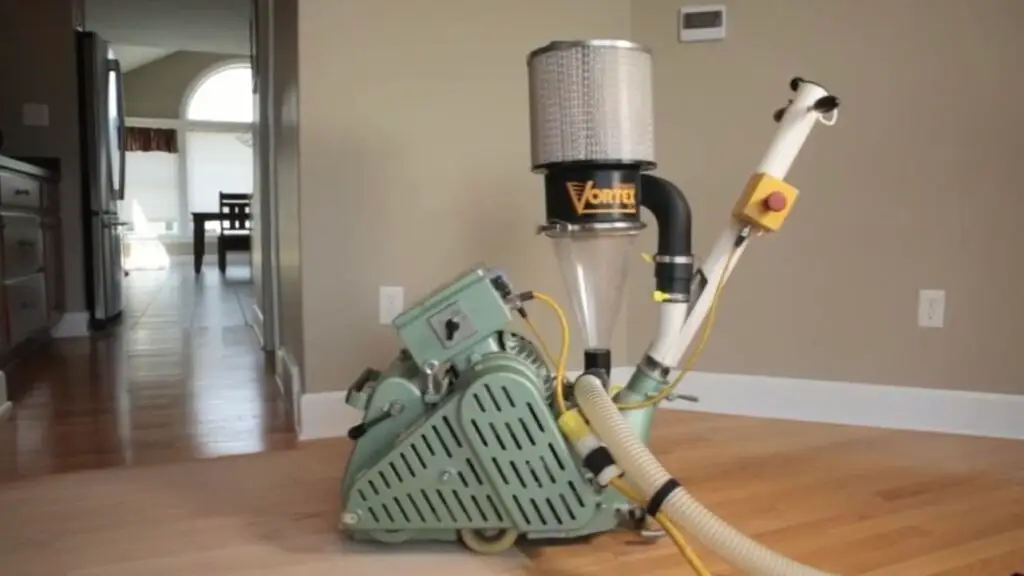
A proprietary dustless sanding system captures sanding particles at the source and keeps the home clean – not just “less dusty,” but zero dust in the home when the process is executed correctly. That difference matters in Hartford-area houses with finished basements, open staircases, and shared air paths where particles can travel quickly. It also matters for families with small children who play on the floor, pet owners, and anyone who is sensitive to airborne particles.
Clean work is not a luxury feature. It is risk reduction. You should be able to refinish your floors and still feel comfortable in your own home.
The real Connecticut timeline: how long refinishing takes
Most homeowners want the same answer: “How long until my floors are back?” The honest answer is: it depends on square footage, the condition of the floor, and the finish system you choose. But the overall rhythm is predictable.
For a typical residential project, sanding and refinishing commonly takes a few days of on-site work, with additional time for curing before heavy use. If you are planning around work schedules, kids, or pets, the best approach is to schedule with your lifestyle in mind – and choose a contractor who will give you clear daily expectations, not vague windows.
Connecticut seasons also affect planning. Many homeowners book refinishing when the weather is stable and windows can be cracked for comfort, but a professional can complete projects year-round with the right process and finishing products. The key is communication: when can you walk on the floors, when can you move furniture back, and when is it safe to place rugs.
What affects the cost of hardwood floor sanding in Connecticut
Pricing is never one-size-fits-all, and homeowners are right to be cautious of ballpark numbers that ignore the details. The cost of hardwood floor sanding in Connecticut is typically driven by the condition of the floor, the amount of repair work needed, and the finishing choices.
If your floors have deep pet stains, significant water damage near exterior doors, or widespread gaps that need attention, the prep and repair portion becomes a bigger part of the job. Staircases also change scope quickly because they are detail-heavy compared to open rooms.
Finish selection matters too. Some homeowners prioritize ultra-low odor options, some want maximum durability for large dogs and busy entryways, and others care most about the look – natural, warm, or a richer stain. A trustworthy contractor will explain the trade-offs in plain language and provide transparent pricing with no hidden fees.
Choosing stain and sheen for Connecticut light and layout
New England light can be unforgiving in the best way – it makes a freshly refinished floor look incredible, and it also highlights uneven color if stain is not applied correctly. If your home has large south-facing windows in places like West Hartford, Glastonbury, or Avon, you will want to think about how sunlight changes the appearance throughout the day.
Natural or lightly toned finishes are popular because they keep spaces bright and forgiving, especially in open layouts. Medium tones can add warmth and hide daily wear better, but they demand even sanding and careful stain work. Very dark stains can look dramatic, but they show dust and micro-scratches more easily, which may not be the best match for high-traffic family living.
Sheen is just as important as color. Matte and satin finishes are often the sweet spot for busy households because they look clean, modern, and they camouflage small scuffs better than high-gloss. Gloss can be beautiful in formal rooms, but it tends to highlight every ripple of light.
Repairs: the part of refinishing most homeowners underestimate
Refinishing is not only about sanding and topcoat. The best results usually come from pairing refinishing with targeted repairs so the finished floor looks intentional, not “good from across the room.”
That might mean replacing a few boards near a dishwasher leak, tightening up squeaks, addressing damaged thresholds, or blending patched areas so they disappear after stain and finish. In older Connecticut homes, it may also mean working around radiators, settled subfloors, or additions where floor heights change.
A solid contractor will tell you what is worth repairing now versus what can wait. Sometimes the most cost-effective plan is to fix the visible problem areas and refinish, rather than chasing perfection in places that do not impact daily life.
What “family-safe” should mean during refinishing
Homeowners often worry about whether the home will feel comfortable during the project. You should not have to choose between beautiful floors and a livable home.
A dustless sanding process is a major part of that comfort because it keeps the environment clean for everyday life. The other part is choosing finishing options that align with your household – especially if you have young children, pets that like to sprawl on cool wood, or family members who are sensitive to odors. Different finishes have different cure times and feel different underfoot. The right contractor will walk you through what to expect so you can plan routines, pet movement, and room access without stress.
Questions to ask before you book a Connecticut floor sanding contractor
You do not need to be a flooring expert to hire one. A few smart questions will quickly tell you whether you are talking to a professional who runs a clean, predictable job.
Ask if they are licensed and insured in Connecticut, and whether that coverage is current. Ask what “dustless” means in their process – specifically, how they keep zero dust in the home from start to finish. Ask how repairs are handled, whether they can replace boards if needed, and what the day-by-day plan looks like.
Also ask how they protect adjacent areas and how they communicate timing. The best projects feel calm because you always know what is happening next.
A clean, local option for Hartford-area homeowners
If you are in Manchester, West Hartford, Glastonbury, or the greater Hartford area and you want hardwood floors restored without the mess, Dustless Hardwood Floors LLC is a licensed and insured Connecticut contractor (CT License #HIC.0640958) specializing in dustless hardwood floor sanding and refinishing that leaves zero dust in the home. You can see project photos and request a quote at https://Dustlesshardwoodfloorsllc.com.
How to get the best result once the floors are done
Once your floors are refinished, the goal is to keep them looking that way. Use felt pads on furniture, keep grit off the surface with regular light cleaning, and place quality mats at exterior doors to reduce tracked-in sand and salt during Connecticut winters. If you have dogs, keeping nails trimmed does more for scratch prevention than almost anything else.
Most importantly, treat the first weeks as the “new floor” period. Let the finish cure properly before heavy furniture slides or area rugs return, and you will lock in that freshly restored look for the long run.
A refinished hardwood floor should make your whole home feel cleaner and more put together the moment you walk in – and with a true dustless sanding system, you get that transformation without paying for it in cleanup or comfort.