
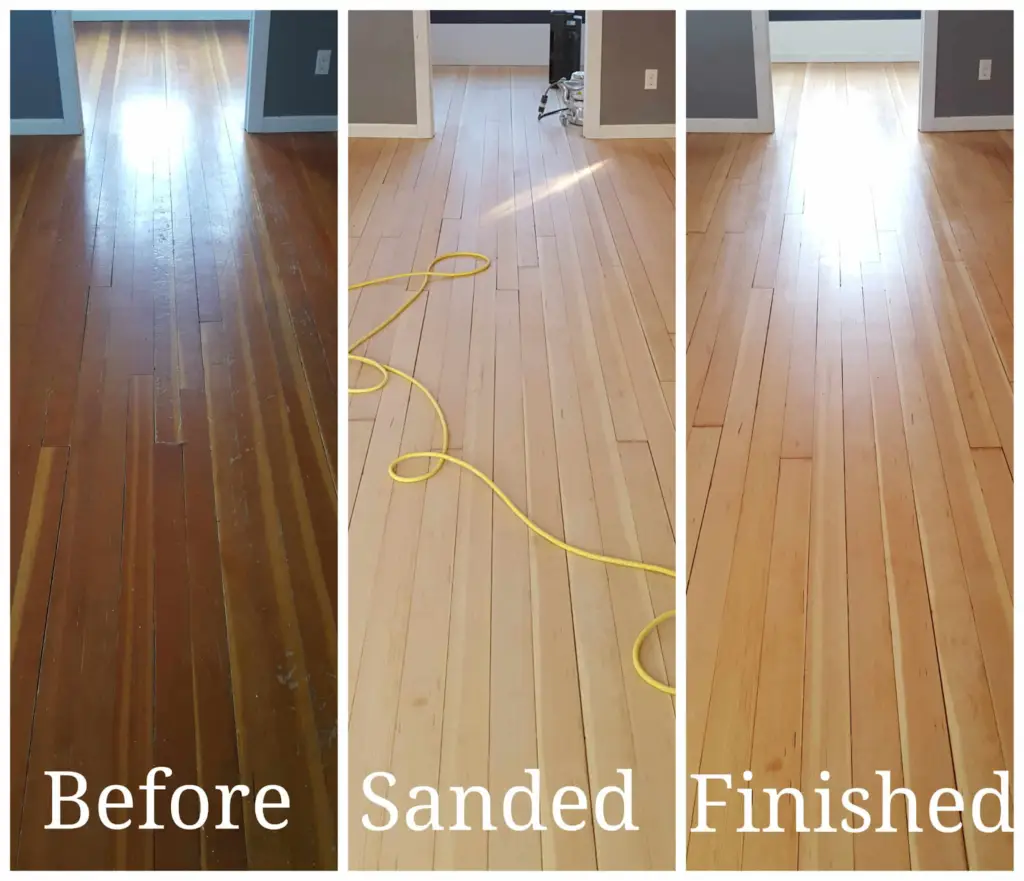
Hardwood Floor Refinishing vs. Replacement: The Definitive Guide for Homeowners
When considering Hardwood Floor Refinishing vs. Replacement: The Definitive Guide for Homeowners, it’s important to understand the implications of each choice.
In this article, we will explore Hardwood Floor Refinishing vs. Replacement: The Definitive Guide for Homeowners to help you understand the best choice for your needs.
As we delve deeper into Hardwood Floor Refinishing vs. Replacement: The Definitive Guide for Homeowners, it’s crucial to weigh both options carefully.
Understanding Hardwood Floor Refinishing vs. Replacement: The Definitive Guide for Homeowners will illuminate the best approach for your flooring issues.
The discussion of Hardwood Floor Refinishing vs. Replacement: The Definitive Guide for Homeowners centers on necessity and practicality.
In our journey through Hardwood Floor Refinishing vs. Replacement: The Definitive Guide for Homeowners, we will clarify what each option entails.
By examining Hardwood Floor Refinishing vs. Replacement: The Definitive Guide for Homeowners, you will be better equipped to make an informed choice.
Referring back to Hardwood Floor Refinishing vs. Replacement: The Definitive Guide for Homeowners can help clarify the options available.
For clarity, let’s revisit Hardwood Floor Refinishing vs. Replacement: The Definitive Guide for Homeowners throughout this article.
The insights from Hardwood Floor Refinishing vs. Replacement: The Definitive Guide for Homeowners are invaluable for homeowners considering their options.
As we analyze Hardwood Floor Refinishing vs. Replacement: The Definitive Guide for Homeowners, remember the importance of each decision made.
In this Hardwood Floor Refinishing vs. Replacement: The Definitive Guide for Homeowners, we will examine both options in detail.
This guide on Hardwood Floor Refinishing vs. Replacement: The Definitive Guide for Homeowners clarifies the steps to take.
If you have hardwood floors, you have probably noticed the signs of wear. Scratches. Dull spots. Areas that just do not look the way they used to. At some point, most homeowners stop and ask the same question. Can these floors be fixed, or do they need to be replaced?
Ultimately, the topic of Hardwood Floor Refinishing vs. Replacement: The Definitive Guide for Homeowners encompasses various factors.
This Hardwood Floor Refinishing vs. Replacement: The Definitive Guide for Homeowners will help you navigate your decision-making process.
Refining your understanding of Hardwood Floor Refinishing vs. Replacement: The Definitive Guide for Homeowners can lead to a better choice.
For more information, consult the Hardwood Floor Refinishing vs. Replacement: The Definitive Guide for Homeowners.
Understanding Hardwood Floor Refinishing vs. Replacement: The Definitive Guide for Homeowners is vital for making informed decisions.
In this detailed analysis of Hardwood Floor Refinishing vs. Replacement: The Definitive Guide for Homeowners, we help homeowners weigh their options.
This is not an easy decision. Hardwood floors are a big investment. The idea of spending money, dealing with noise and dust, and possibly choosing the wrong option can feel stressful. Many homeowners worry about making a costly mistake or choosing a solution that does not last.
This section will clarify Hardwood Floor Refinishing vs. Replacement: The Definitive Guide for Homeowners so you can choose wisely.
Explore the nuances of Hardwood Floor Refinishing vs. Replacement: The Definitive Guide for Homeowners in this detailed comparison.
Understanding Hardwood Floor Refinishing vs. Replacement: The Definitive Guide for Homeowners is crucial for all homeowners.
One of the first things to consider in Hardwood Floor Refinishing vs. Replacement: The Definitive Guide for Homeowners is the condition of your current floors.
The choice between refinishing and replacement is not only about how your floors look. It affects your budget, your daily life, and the value of your home. Online advice can be confusing, and different contractors often give different answers. That makes it even harder to feel confident about what to do next.
This guide is here to make things simple. We will explain both options in clear, easy language. You will learn how to check the condition of your floors, understand what refinishing can and cannot fix, and know when replacement is the better choice. We will also talk openly about costs. By the end, you will have the knowledge you need to make a smart decision that feels right for your home and your peace of mind.
Understanding Hardwood Floor Refinishing
Hardwood floor refinishing is often the first option homeowners consider when floors start to look worn but still feel solid underfoot. It focuses on restoring what you already have rather than starting over. When done at the right time, refinishing can make old floors look almost new again.
What Refinishing Involves
Refinishing is a step by step process. Each step plays an important role in how your floors will look and how long they will last.
Sanding
When discussing Hardwood Floor Refinishing vs. Replacement: The Definitive Guide for Homeowners, consider both immediate and long-term impacts.
This is the most important stage. Professionals sand away the old finish and remove a thin layer of the wood surface. This helps get rid of scratches, stains, and minor dents. It also creates a smooth, clean surface for the next steps.
We will compare Hardwood Floor Refinishing vs. Replacement: The Definitive Guide for Homeowners to provide clarity.
Many factors influence your decision in Hardwood Floor Refinishing vs. Replacement: The Definitive Guide for Homeowners, including cost and aesthetics.
Staining (optional)
Once the wood is sanded, you can choose to change the colour. Some homeowners keep the natural wood tone, while others go lighter or darker to match updated interiors. This step is optional but popular during renovations.
Sealing and finishing
Finally, several coats of finish are applied. These protect the wood from daily wear, spills, and moisture. The finish also gives the floor its final look, whether that is matte, satin, or glossy..
Knowledge from Hardwood Floor Refinishing vs. Replacement: The Definitive Guide for Homeowners enhances your decision-making.

Key Benefits of Refinishing
For many homeowners, refinishing offers a practical and rewarding solution.
Lower cost
Refinishing usually costs much less than replacing the entire floor. You are improving what is already there instead of paying for new materials and installation.
Keeps the original look
Ultimately, understanding Hardwood Floor Refinishing vs. Replacement: The Definitive Guide for Homeowners will empower you to make a sound choice.
Older homes often have hardwood with unique grain patterns and character that is hard to replace. Refinishing keeps that original charm intact.
Adds more life to your floors
A properly refinished floor can last many more years. It refreshes the surface and protects the wood from further damage.
Less waste
Since the existing floor stays in place, refinishing creates far less waste. This makes it a more environmentally friendly choice.

Limitations and Drawbacks of Refinishing
While refinishing works well in many cases, it is not always the right answer.
Temporary disruption
Furniture needs to be moved, and some homeowners choose to stay elsewhere during the process. Even modern dust control systems cannot remove all dust.
Not always an option
If the wood has already been sanded too many times, there may not be enough thickness left. Deep water damage, warping, or structural issues also limit refinishing.
Takes time
Consider the factors discussed in Hardwood Floor Refinishing vs. Replacement: The Definitive Guide for Homeowners before making your decision.
Refinishing is not a one day job. The full process often takes several days, and sometimes up to a week, depending on drying times.
Strong smells
Some finishes produce noticeable odours while they are being applied and while they cure. This can be uncomfortable for sensitive individuals.
Image placement suggestion (UI/UX):
Consider adding a process timeline graphic or a room preparation photo here to set realistic expectations for homeowners.
Expert Guidance and Industry Standards
Professional refinishing follows established best practices. Reputable contractors often align their work with recommendations from the National Wood Flooring Association. These guidelines help ensure floors are sanded safely, finished correctly, and protected for long term performance.
Referring to recognised industry standards gives homeowners peace of mind. It shows that refinishing is not guesswork but a proven process when done by experienced professionals using the right methods.
Understanding Hardwood Floor Replacement
Hardwood floor replacement is the main solution when refinishing is no longer practical. It is a bigger decision, but in some cases, it is the only way to fix ongoing problems and protect your home long term.
What Replacement Involves
Replacing hardwood floors means removing the old floor and installing a brand new one from the base up.
Removal of old flooring
In summary, this Hardwood Floor Refinishing vs. Replacement: The Definitive Guide for Homeowners aims to inform your decision.
The existing hardwood is taken out and disposed of. This step can be noisy and messy, especially in older homes where floors are firmly nailed down.
Subfloor inspection and preparation
Once the old floor is removed, the subfloor is checked carefully. It must be solid, level, and completely dry. Any damage, uneven areas, or moisture problems are repaired before new flooring is installed. This step is critical and often decides how successful the new floor will be.
Installation of new flooring
New hardwood boards are installed. If unfinished wood is chosen, it will be sanded and finished on site. Prefinished flooring is quicker to install and can often be used sooner.

Key Benefits of Replacement
Replacement makes sense when homeowners want a long term solution with no compromises.
A fresh start
Replacement allows you to completely change the look of your floors. You can choose a new wood species, wider planks, a different color, or a modern finish.
Fixes hidden problems
Replacing the floor gives full access to the subfloor. This makes it possible to repair structural issues that refinishing cannot fix.
More design freedom
You are not limited by what already exists. Any wood type, plank width, or finish is an option.
Before making a choice, consider the key points in Hardwood Floor Refinishing vs. Replacement: The Definitive Guide for Homeowners.
No sanding limits
Unlike refinishing, replacement is not restricted by wood thickness or how many times the floor has been sanded before.
IMAGE suggestion:
A design options infographic here works well. It can show different plank widths, wood types, and finishes to help homeowners compare visually.
Limitations and Drawbacks of Replacement (The Main Deal)
This is the part where homeowners really need to be honest with themselves. Floor replacement can be a great option, but it is not the easiest or cheapest route, and it comes with some real trade-offs.
Higher cost
Replacing hardwood flooring usually costs much more than refinishing. You are not just paying for new boards. There is also the cost of removing the old floor, labour, delivery, and in many cases repairs to the subfloor underneath. All of this can add up quickly, especially in older homes.
Major disruption
Floor replacement is a big project. Rooms may be unusable for days or even weeks, depending on the size of the job. Furniture has to be moved, there can be a lot of noise and dust, and daily routines are often interrupted. Some homeowners even choose to stay elsewhere while the work is being done.
If you’re looking for clarity on Hardwood Floor Refinishing vs. Replacement: The Definitive Guide for Homeowners, you’ve come to the right place.
More waste
Unlike refinishing, replacement usually means the old hardwood floor is completely removed and thrown away. This creates more waste and is something to think about if sustainability matters to you. In some cases, boards can be recycled or reused, but that is not always possible.
Possible permit requirements
In certain areas, permits may be needed, especially if the work involves structural changes or major subfloor repairs. This can slow the project down and increase the overall cost. A professional installer will usually advise you on this, but it is still something to be aware of early on.
Important note: Even with these drawbacks, full replacement can be the right long-term decision in some situations. When installation is done correctly and follows recognised industry standards, replacement can improve the strength, stability, and overall value of a home. Many experienced professionals follow guidance from organizations like the National Wood Flooring Association to ensure the floor performs well for years, not just right after installation.
IMAGE suggestion:
Place a simple pros vs cons comparison table right after this section. It helps readers quickly understand the trade offs before moving to the next part of the guide.
Key Factors to Consider Before Deciding
Before you choose between refinishing or replacing your hardwood floors, it helps to slow down and look at the bigger picture. This decision is not just about how your floors look today. It is about condition, cost, time, and how you plan to live in your home moving forward.
Floor Condition. The Ultimate Decider
The condition of your floor is usually the most important factor.
Surface vs deep scratches
Light scratches, dull areas, and minor scuffs can often be fixed with refinishing. Deeper gouges that cut into the wood are harder to repair and may point toward replacement.
Water damage
Look for dark stains, cupping where the edges of boards rise, or buckling where boards lift or shift. Small water stains may be manageable. Widespread moisture damage usually is not.
Structural integrity
Loose boards, soft spots, or squeaking can signal subfloor problems. Refinishing will not fix these issues.
Deciding between options requires understanding Hardwood Floor Refinishing vs. Replacement: The Definitive Guide for Homeowners.
Wood thickness
Hardwood can only be sanded so many times. If there is not enough wood left above the tongue and groove, refinishing may not be safe.
IMAGE suggestion:
Add a close up image showing surface scratches vs deep damage here. This helps homeowners quickly identify what they are seeing on their own floors.
Budget and Return on Investment
Cost matters, but so does value.
Upfront costs
Always compare quotes for both refinishing and replacement. The price difference can be significant, but the scope of work matters just as much as the final number.
Long term value
Refinishing often offers a strong return if your floors are in decent shape. Replacement can add value when floors are clearly damaged or outdated, especially before selling.
Expert tip
Get multiple quotes for both options. This helps you compare costs fairly and understand exactly what each contractor is including.
IMAGE suggestion:
A simple cost comparison chart here works well and makes budget differences easy to understand.
Desired Look and Style
Your personal taste matters. If you like the look of your current hardwood and simply want it refreshed, refinishing is often enough. Replacement makes more sense if you are aiming for a different style, such as wider planks or a new wood type that better suits your space.
Preserving character or starting fresh
Some homeowners love the warmth and history of their existing floors and want to keep that character. Others prefer a clean, modern update with wider boards or a new colour.
Design options
Refinishing works within the limits of your existing wood. Replacement gives you more freedom, including new wood species, plank widths, and finish options.
IMAGE suggestion:
Add a before and after style comparison image to show how refinishing and replacement change the look of a room.
The Hardwood Floor Refinishing vs. Replacement: The Definitive Guide for Homeowners is essential reading for homeowners.
Time Commitment and Disruption
Think about how much disruption you can realistically handle.
Refinishing timeline
Most Refinishing jobs take several days to about a week. Drying time matters, and rooms may be off limits during the process.
Replacement timeline
Replacement often takes longer. Larger projects or subfloor repairs can stretch into weeks.
Expert tip
Plan ahead for furniture moving, pets, children, and possible temporary relocation. Build this into both your timeline and budget.
Environmental Impact and Sustainability
Sustainability matters to many homeowners.
Reducing waste
Refinishing uses fewer new materials and keeps old wood out of landfills.
Sustainable replacement options
If you replace, consider reclaimed wood or responsibly sourced hardwood for a lower environmental impact.
Long Term Plans for Your Home
Your future plans should guide your decision.
Selling soon
Focus on broad appeal and return on investment. Neutral finishes often perform best.
Staying long term
If this is your forever home, prioritize durability and what you truly enjoy living with every day.
Expert tip
Short term plans favor value. Long term plans favor personal comfort and durability.
Is Your Floor Refinishable? Signs and Assessment
Many homeowners assume their floors need to be replaced as soon as they start to look worn. In reality, a lot of hardwood floors still have plenty of life left in them. The key is knowing what to look for. This section helps you judge, in simple terms, whether refinishing is a realistic option for your floor.
Positive Signs Your Floor Can Be Refinished
If your floor shows most of the signs below, refinishing is usually worth considering.
Light surface scratches and scuffs
Small scratches that sit on the surface and do not cut deep into the wood are very common. These are exactly the kind of issues sanding is meant to fix.
Dull or faded finish
If the floor looks tired but the wood underneath feels solid and smooth, the problem is often just the worn finish. Refinishing can restore color and shine.
Minor water damage
Small, localized water stains that have not caused boards to warp or lift can often be sanded out. The key is that the damage has not spread or affected the structure.
Enough wood thickness left
There should be at least about one eighth of an inch of wood above the tongue and groove. This gives enough material for safe sanding.
Consistent wood type and color
Floors with the same wood species and color throughout are easier to refinish and usually produce better, more even results.
image placement:
Add a simple diagram showing wood thickness and the tongue and groove here. This helps homeowners understand what “enough wood left” actually means.
Visual Guide: Is Your Floor Refinishable?
A visual check can often tell you more than words alone. Use the examples below to compare them with your own floor.
Light surface scratches
Refinishing recommended. These marks are typically removed during sanding.
Dull, worn finish
Refinishing recommended. The protective layer has worn down, but the wood is still healthy.
Minor, localized water stain
Refinishing is possible. This works only if boards remain flat and stable.
Deep gouges from pet claws
Replacement likely. Deep cuts often go beyond what sanding can safely fix.
Severe cupping or buckling from extensive water damage
Replacement necessary. This usually indicates serious moisture damage.
Very thin wood from multiple previous refinishes
Replacement necessary. There may not be enough wood left to sand again.
Insect damage or borer holes
Replacement necessary. Structural integrity is often compromised.
How to Use This Section
This checklist is meant to help you make an early judgement, not a final call. If your floor clearly matches the refinishing examples, refinishing is usually worth exploring. If it matches the replacement examples, replacement is often the safer long term choice.
I’m not sure about this visual guide section, the outline says images.
When Replacement Is the Only Option: Clear Indicators
Refinishing can do a lot, but it cannot fix everything. In some situations, replacing the floor is not just the better choice, it is the only safe and lasting one. The signs below help you recognize when refinishing would be a short term fix at best.
Extensive and Irreparable Damage
Some damage goes beyond the surface and affects the structure of the floor itself.
H4: Widespread water damage
If large areas show warping, buckling, or deep dark stains, the wood has likely absorbed too much moisture. Bubbling boards, loud creaking when you walk, and dark lines between planks are common warning signs. In these cases, sanding will not solve the problem.
H4: Severe cupping or buckling
When boards curl at the edges or rise in the centre, moisture has already changed the shape of the wood. This damage usually points to ongoing moisture issues below the surface.
H4: Deep gouges and structural breaks
Cuts, holes, or cracks that affect many boards weaken the floor. If sanding would leave uneven heights or thin spots, replacement is the safer option.
H4: Rot or mold
Rotting wood or mold growth signals serious moisture problems. This is not only a flooring issue but also a potential health concern. Replacement and moisture correction are necessary here.
H4: Insect infestation
Damage from termites, powderpost beetles, or other insects compromises the strength of the wood. Once pests have affected the structure, refinishing is no longer viable.

Expert tip
Before committing to replacement, always assess the subfloor. It must be stable, level, and dry. Subfloor problems can undermine both refinishing and replacement if left unaddressed.
H3: Insufficient Wood Thickness
Hardwood can only be sanded a limited number of times.
H4: Too many previous refinishes
Each sanding removes a layer of wood. If the floor has been refinished several times, there may not be enough material left to sand safely again.
H4: Engineered wood limitations
Engineered hardwood has a thinner top layer. If that veneer is too thin or already damaged, refinishing may not be possible at all.
H3: Undesirable Wood Species or Layout
Sometimes replacement is a choice, not a failure.
H4: Dislike the current look
If you truly dislike the wood species, grain pattern, or plank width, refinishing will not change that. It can refresh the surface but not the core design.
H4: Unappealing layout or pattern
If the layout feels dated or does not suit your space, replacement allows you to redesign the floor completely.
H3: Installation Problems That Cannot Be Fixed
Poor installation can create issues that refinishing cannot solve.
H4: Widespread gaps and uneven boards
Large gaps across the floor or uneven heights often point to installation errors. Sanding one area can make height differences noticeable underfoot.
Refinishing vs. Replacement is thoroughly explored in Hardwood Floor Refinishing vs. Replacement: The Definitive Guide for Homeowners.
H4: Improper acclimation
If the wood was not properly acclimated before installation, it can expand or shrink excessively. This often leads to long term problems that require replacement.
H3: Beyond Repair: When There Is No Safe Alternative
Some floors have simply reached the end of their lifespan.
H4: Heavy wear in high traffic areas
If sanding one area would create noticeable dips or uneven transitions, replacement is usually the better solution.
H4: Damage too deep to sand
Burn marks, deep dents, and cuts that go far into the wood cannot be safely removed with sanding.
H3: A Quick Reality Check
While repairs and refinishing can extend the life of many hardwood floors, there are times when replacement is the only option that makes sense. Recognising these signs early helps you avoid spending money on fixes that will not last.
YAHA TAK WORDPRESS ME LIKHA HY
Our exploration of Hardwood Floor Refinishing vs. Replacement: The Definitive Guide for Homeowners will provide clear distinctions between the two methods.
By reviewing Hardwood Floor Refinishing vs. Replacement: The Definitive Guide for Homeowners, you’ll feel more confident in your choice.
H2: The Ultimate Comparison: Refinishing vs. Replacement
When homeowners are stuck choosing between refinishing and replacement, seeing the differences side by side makes the decision much clearer. Below is a practical, real world comparison based on common industry averages. Keep in mind that prices and timelines can vary depending on location, floor condition, and contractor availability.
H3: Hardwood Floor Refinishing vs. Replacement
| Attribute | Hardwood Floor Refinishing | Hardwood Floor Replacement |
| Cost | Lower. Typically $3 to $8 per sq ft | Higher. Typically $8 to $25+ per sq ft |
| Process | Sanding, optional staining, and sealing | Removal of old floor, subfloor prep, installation of new boards, sanding if unfinished, sealing |
| Timeframe | About 3 to 7 days, depending on size and coats | About 1 to 3 weeks, depending on removal and installation complexity |
| Disruption | Moderate. Furniture moving, dust, odors, short term room restrictions | High. Demolition noise, longer downtime, possible temporary relocation |
| Aesthetic Change | Restores the original look. Stain colour can be changed | Complete transformation. New species, plank width, and layout options |
| Durability | Extends the life of the existing floor with a new protective finish | Full lifespan of a brand new floor with modern finish systems |
| Environmental Impact | Lower. Less waste and fewer new materials used | Higher. More waste and greater use of new resources |
| DIY Feasibility | Possible for experienced DIYers, but difficult for beginners | Usually requires professional installation |
| Resale Value | Good return. Fresh looking floors appeal to buyers | Excellent return. New floors are a strong selling point |
H3: How to Think About the Trade Off
Refinishing is often the smarter choice when the floor is structurally sound and you want to improve its appearance without a major renovation. It costs less upfront and creates less disruption. For many homeowners, this makes it an attractive short to medium term solution.
Replacement costs more, but it solves deeper problems. It fixes subfloor issues, removes damage completely, and gives you a fresh start. While the upfront investment is higher, replacement often delivers longer lasting results and stronger resale appeal.
H3: A Practical Reality Check
Some homeowners are surprised to learn that refinishing can sometimes feel almost as expensive as replacement when labour is intensive. Sanding, repairs, and multiple finish coats take time. On the other hand, replacement is faster in some cases because crews remove and install in a more predictable process.
The key difference is longevity. Refinishing refreshes what you already have. Replacement resets the clock entirely.
H2: Cost Analysis: What to Expect
Cost is often the deciding factor for homeowners. While refinishing is usually cheaper than replacement, the final price depends on many details. Understanding where the money goes helps you plan better and avoid surprises.
H3: Refinishing Costs Breakdown
Refinishing costs are mostly driven by labour. Materials matter, but the time and skill involved are what you are really paying for.
H4: Labour
This is the biggest part of the cost. Pricing usually depends on total square footage, floor condition, and how much prep work is needed. On average, refinishing ranges from $3 to $8 per square foot, though some areas may be higher.
H4: Materials
These include sandpaper, stains if you choose to change colour, and finish coats.
- Oil based finishes are usually cheaper and very durable but take longer to dry.
- Water based finishes cost more but dry faster and have less odor.
H4: Potential hidden expenses
Small repairs add up. Wood filler, fixing loose boards, or repairing damaged spots can increase the price. Some contractors also charge extra for dustless sanding systems.
IMAGE suggestion:
A simple cost breakdown bar chart showing labour vs materials works well here and makes pricing easier to understand.
H3: Replacement Costs Breakdown
Replacement costs are higher because you are paying for more steps and more materials.
H4: New flooring materials
Prices vary widely based on wood type, grade, and whether you choose solid or engineered hardwood. Basic options may start near $8 per square foot, while premium or exotic woods can go well beyond $25 per square foot.
H4: Installation labour
Installing new hardwood takes skill and time. Complex layouts, stairs, or patterns increase labour costs.
H4: Old floor removal and disposal
Tearing out the existing floor and hauling it away adds labour and disposal fees that many homeowners forget to budget for.
H4: Subfloor preparation or repair
This step is essential. Fixing uneven areas, moisture damage, or squeaks can add unexpected costs, but skipping it often leads to problems later.
IMAGE suggestion:
Add a stacked cost chart here showing materials, labour, removal, and subfloor prep to clearly show why replacement costs more.
H3: What Causes Prices to Vary So Much
No two projects cost the same. These factors make the biggest difference.
H4: Location
Labour and material costs vary by region. Large cities and high cost areas often see higher prices.
H4: Wood type and grade
Standard oak is usually more affordable. Premium grades and exotic woods increase costs quickly.
H4: Finish choice
Higher end finishes last longer but cost more upfront.
H4: Room size and layout
Large open areas are usually cheaper per square foot. Small rooms, tight corners, or complex layouts raise labour time.
H3: Refinishing vs Replacement: Value Over Time
Refinishing can extend the life of hardwood floors by 10 to 15 years or more when done properly. Many homeowners see it as routine maintenance rather than a full renovation.
Replacement costs more but resets the floor completely. It can fix underlying issues and often delivers strong resale value, especially in competitive housing markets.
While some alternatives like vinyl flooring may seem cheaper at first, many homeowners regret replacing real hardwood with imitation materials due to durability and long term value concerns.
Expert Tip: Control Humidity First
No matter which option you choose, indoor humidity matters. Hardwood floors perform best when indoor humidity stays between 35 and 55 percent. Poor humidity control can cause warping, gaps, and future damage even on brand new floors.
Before investing in refinishing or replacement, address moisture issues, ventilation, and climate control. This simple step protects your investment and helps your floors last longer.
IMAGE suggestion:
A humidity range visual graphic near this tip reinforces its importance and adds practical value.
H2: DIY vs. Professional: Making the Right Choice
Many homeowners ask the same question before starting a floor project. Should I do this myself, or should I hire a professional? The honest answer depends on your skill level, time, and how much risk you are willing to take.
H3: DIY Refinishing: Pros, Cons, and a Reality Check
DIY refinishing can work in some situations, but it is not for everyone.
H4: Pros of DIY refinishing
The biggest advantage is cost. Doing the work yourself can be much cheaper than hiring a crew. There is also a real sense of pride that comes from completing a major home project on your own. You can work at your own pace and schedule the job around your life.
H4: Cons of DIY refinishing
This is a physically demanding job. Sanding hardwood floors is heavy work and very dusty. The learning curve is steep. Small mistakes can lead to uneven sanding marks, swirl patterns, or permanent damage that is expensive to fix. Many homeowners start with good intentions and later wish they had hired a professional.
H4: Skill requirements
DIY refinishing requires patience, attention to detail, and a solid understanding of sanding techniques. You need to know how to move evenly, change grits correctly, and avoid digging into the wood.
H4: Equipment needed
Most DIY projects require renting professional grade tools such as a drum sander, edger, buffer, strong vacuums, and proper safety gear. Using these machines incorrectly can damage floors very quickly.
Expert tip
Be realistic. DIY refinishing can save money, but it demands skill and endurance. Floor replacement is almost always a professional job and rarely suitable for DIY.
H3: Hiring Professionals: Benefits and What to Look For
For many homeowners, hiring professionals provides peace of mind and better results.
H4: Benefits of hiring a professional
Professionals bring experience, specialised equipment, and proven techniques. They work faster, produce a more even finish, and often provide warranties. Most importantly, they reduce stress and the risk of costly mistakes.
H4: What to look for in a contractor
Choose carefully. A good contractor makes all the difference.
- Certifications, such as those who follow industry standards.
- Proper licensing and insurance
- Strong references and a portfolio of past work
- Clear, written quotes that explain scope and costs
- Experience with your specific wood type and finish choice
You can also use reputable directories like Angi or HomeAdvisor to find qualified local professionals.
Expert tip
Always inspect the work before making final payment. Look closely for missed spots, debris trapped in the finish, or uneven sheen.
H3: Important Questions to Ask Any Contractor
H4: Ask about finish options
Oil based, water based, and UV cured finishes all behave differently. They vary in durability, drying time, smell, and appearance. A good contractor will explain the pros and cons and help you choose what fits your home and lifestyle.
H4: Ask about preparation and protection
Find out how they control dust, protect nearby rooms, and manage cleanup.
H4: Ask about experience with problem areas
Pet stains, deep discoloration, or uneven boards require advanced techniques. Experienced professionals often have solutions that DIY methods cannot handle.
H3: Safety Note for Older Homes
If your home was built before 1978, test for lead paint before sanding. Older finishes can contain lead, which becomes dangerous when sanded. Professionals are trained to handle this safely.
H2: Environmental Impact and Sustainability Considerations
For many homeowners, the decision between refinishing and replacement is not only about cost or appearance. It is also about making a responsible choice for the environment. Hardwood floors are a natural material, but how you treat them over time can make a big difference in waste, resource use, and indoor air quality.
H3: Refinishing and Its Environmental Footprint
Refinishing is often the more environmentally friendly option when your floors are still in good structural condition.
H4: Reduced waste
Refinishing keeps existing floors in place. This means less material ends up in landfills. Old hardwood is dense and slow to break down, so keeping it out of the waste stream has real environmental value.
H4: Resource conservation
By reusing the wood already in your home, refinishing avoids the need for new trees to be harvested. This helps conserve forests and reduces pressure on natural resources.
H4: Lower carbon footprint
Refinishing involves fewer manufacturing steps and much less transportation than producing and shipping new flooring. Fewer trucks, less processing, and less packaging all help reduce overall emissions.
From a sustainability point of view, refinishing is often seen by flooring professionals as a form of long term maintenance rather than replacement. Many industry experts view solid hardwood as a material designed to last decades when properly cared for.
H3: Replacement and Its Environmental Footprint
Replacement can be the right choice in some situations, but it has a higher environmental impact.
H4: Waste generation
Removing old flooring usually means disposal. Even when small amounts are recycled, most old flooring ends up in landfills.
H4: New resource consumption
Replacement requires new wood to be harvested, processed, finished, and shipped. Each step uses energy and contributes to emissions.
H4: Manufacturing and transport impact
The production of new flooring, especially engineered or imported wood, adds to the overall carbon footprint through adhesives, finishes, and long distance shipping.
That said, replacement does not have to be an unsustainable choice if done thoughtfully.
H3: Eco Friendly Options If You Choose Replacement
If replacement is necessary, there are ways to reduce the environmental impact.
H4: Sustainably harvested wood
Look for hardwood certified by recognised forestry standards such as FSC certification. These programs support responsible forest management and ethical sourcing.
H4: Reclaimed or recycled wood
Reclaimed hardwood gives new life to old materials. It reduces demand for new lumber and often adds unique character to a home.
H4: Low VOC finishes
Finishes with low volatile organic compounds improve indoor air quality. They reduce harmful emissions during application and long after the job is done.
Many professional flooring contractors are familiar with these options and can guide homeowners toward products that balance durability, appearance, and sustainability.
H3: A Deeper Look at Environmental Trade Offs
Keep this Hardwood Floor Refinishing vs. Replacement: The Definitive Guide for Homeowners handy as you weigh your options.
Refinishing generally produces less waste, uses fewer new resources, and has a lower carbon footprint. Replacement offers design freedom and long term durability but comes at a higher environmental cost.
Independent flooring experts and organisations follow recognised industry best practices. often recommend refinishing whenever floors are structurally sound. This guidance is based on both performance and sustainability considerations.
Choosing low emission finishes and responsibly sourced materials further improves the environmental profile of either option.
H2: Maximizing Longevity: Long-Term Maintenance
No matter which option you choose, refinishing or replacement, how you care for your floors afterward plays a huge role in how long they last. Good maintenance is not complicated, but it does need to be consistent. Small habits make a big difference over time.
H3: Caring for Refinished Floors
Refinished floors can look great for many years if they are treated properly.
H4: Regular cleaning
Sweep or vacuum often to remove grit and dust. Small particles act like sandpaper and slowly wear down the finish.
H4: Use gentle cleaning solutions
Stick to manufacturer-recommended or pH-neutral hardwood floor cleaners. Harsh chemicals and excess water can damage the finish and seep into the wood.
H4: Protect furniture legs
Felt pads under chairs, tables, and sofas help prevent scratches. Check them occasionally and replace them when they wear out.
H4: Use area rugs wisely
Place rugs in high-traffic areas like entryways and hallways. This reduces wear in the spots that take the most abuse.
H4: Understand refinishing limits
Each refinishing removes a thin layer of wood. Solid hardwood can handle this several times, but it is still a limited resource. Proper care helps delay the need for future sanding.
H3: Caring for Newly Installed Floors
New floors feel durable, but they still need care from day one.
H4: Follow manufacturer guidelines
Every wood product and finish is slightly different. Follow the care instructions provided by the manufacturer to avoid voiding warranties.
H4: Clean spills immediately
Water and hardwood do not mix well. Even small spills should be wiped up right away to prevent staining or swelling.
H4: Watch humidity closely
Try to keep indoor humidity around 35–55% to reduce gapping and warping.
H4: Use protective measures early
Just like refinished floors, new floors benefit from felt pads, rugs, and regular gentle cleaning.
H3: A Smart Middle Option: Screen and Recoat
For floors with light wear but no exposed wood, a screen and recoat can be a great maintenance step.
H4: What it is
The surface is lightly abraded and a new finish coat is applied. No wood is removed.
H4: Why it helps
It refreshes the protective layer and extends the life of the floor without reducing thickness.
H4: When it works best
This option works well when the finish looks dull or lightly scratched but the wood underneath is still protected.
H4: When it does not work
Deep scratches, stains, or worn-through finish usually require full refinishing.
Many flooring professionals recommend this approach as preventative maintenance, especially in busy homes.
Expert Guidance You Can Trust
Flooring specialists and organisations like those Follow recognised industry best practices. consistently stress that environment and routine care matter just as much as the quality of the original work. Even the best installation or refinishing can fail early if humidity and maintenance are ignored.
H2: Frequently Asked Questions (FAQs)
Q 1: How often can solid hardwood floors be refinished?
A: Most solid hardwood floors can be refinished 4 to 7 times, depending on original thickness and how much wood was removed before. In real homes, refinishing is usually needed every 15 to 20 years, not every few years. Engineered wood has a thinner top layer, so it has fewer or no refinishing options. If the finish is worn but wood is not exposed, a screen and recoat may be enough. Industry guidance from the National Wood Flooring Association recommends checking remaining wood thickness first.
Q 2: How long does the refinishing process take, including drying time?
A: Most projects take 3 to 7 days total.
- Sanding and prep: 1–2 days
- Finish coats: 1–3 days
- Light walking: after 24–48 hours
- Heavy furniture: wait 5–7 days
- Rugs: wait 2–3 weeks
Water based finishes dry faster. Oil based finishes take longer but are very durable.
Q 3: Will refinishing remove pet stains and deep scratches?
A: Light scratches and minor stains often sand out.
Deep pet urine stains and gouges may only fade or may need board replacement before refinishing. Professionals may use bleaching treatments, but results depend on depth. Trimming pet nails, rugs, and durable finishes help prevent future damage.
Q 4: Is dustless sanding really dust free?
A: No, but it is much cleaner. Modern systems reduce dust by about 90–95 percent. Some fine dust still remains, especially near edges, but it is far better than traditional sanding and healthier for occupied homes.
Q 5: What is the best way to clean hardwood floors after the project?
A:
- Sweep or vacuum first with a soft attachment
- Use a damp, not wet, microfiber mop
- Clean with a pH neutral hardwood floor cleaner
Avoid steam mops, soaking wet mops, and abrasive cleaners. Always follow manufacturer guidelines, especially for prefinished, oiled, or waxed floors.
Conclusion: Making the Right Choice for Your Home
Choosing between hardwood floor refinishing and replacement is not about finding a perfect answer. It is about choosing the option that fits your floor’s condition, your budget, and how you plan to live in your home.
If your floors are structurally sound and have enough wood left to sand, refinishing is often the smarter and more cost-effective solution. It restores beauty, preserves character, and extends the life of your floors.
Ultimately, this guide on Hardwood Floor Refinishing vs. Replacement: The Definitive Guide for Homeowners is about you making the best choice.
If damage is widespread, moisture related, or the floor no longer suits your needs, replacement may be the better long-term decision. While it costs more upfront, it solves deeper problems and gives you a fresh start.
When in doubt, get multiple professional opinions and compare both options clearly. A well-informed decision will always serve you better than a rushed one.
Ultimately, Hardwood Floor Refinishing vs. Replacement: The Definitive Guide for Homeowners will guide you in making an educated decision.