
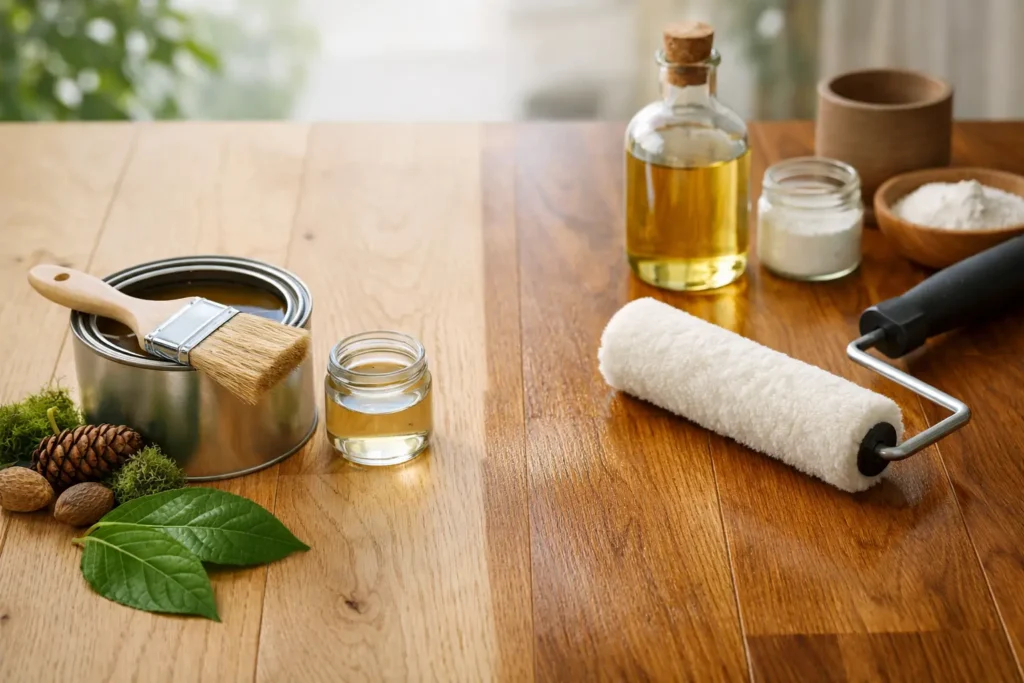
If you love the look of real hardwood but do not love the idea of strong odors or harsh indoor air, eco friendly hardwood floor finish options deserve a closer look. For many Connecticut homeowners, the right finish is not just about sheen or color. It is about how the floor performs in a busy home with kids, pets, guests, and everyday wear while keeping the process cleaner and more comfortable.
A beautiful floor should improve your home, not complicate it. That is why finish selection matters just as much as sanding and prep. When refinishing is done with a true dustless sanding system that leaves zero dust in the home, paired with lower-odor finish options, the result is a cleaner project from start to finish and a safer choice for families and allergy-sensitive households.
What makes a hardwood floor finish eco friendly?
In practical terms, eco friendly usually means the finish has lower volatile organic compounds, often called VOCs, along with reduced odor and fewer harsh emissions during application and curing. It can also mean the product is made from more natural ingredients or is designed to last longer, which reduces how often the floor needs to be refinished.
That said, eco friendly does not always mean fully natural, and fully natural does not always mean best for every home. Some homeowners want the lowest possible odor. Others want maximum durability in a kitchen, hallway, or rental property. The right answer depends on your priorities, your household, and how much traffic your floors take.
The main eco friendly hardwood floor finish options
Waterborne polyurethane
For many homes, waterborne polyurethane is the most practical choice. It is widely considered one of the best eco friendly hardwood floor finish options because it offers lower odor, lower VOCs than many traditional solvent-based products, and strong everyday durability.
This finish works especially well for families who want a clean, updated look without the amber tone that some oil-based finishes add over time. Waterborne finishes usually dry faster, which can help keep the project moving efficiently. They are also available in different sheen levels, from matte to satin to semi-gloss, so you can control the final appearance.
The trade-off is that not every waterborne product performs the same. Premium products hold up far better than builder-grade versions, especially in entryways and high-traffic rooms. Application also matters. A quality finish still needs professional floor prep and an even, careful coat to look right and wear well.
Hardwax oil
Hardwax oil has become popular with homeowners who want a natural look and a softer, more matte appearance. Instead of creating a thicker film on top of the wood, it penetrates the surface and enhances the grain in a way that feels warm and authentic.
Many hardwax oil systems are low in VOCs and lower in odor than older finishing products. They are often chosen for homes where a natural aesthetic matters as much as performance. White oak, character-grade planks, and wider boards can look especially good with this finish.
The trade-off is maintenance. Hardwax oil can be easier to spot-repair than some film-forming finishes, which is a real advantage. But it also may need more routine upkeep depending on traffic levels and how the floor is cleaned. For a formal living room, home office, or bedroom, that can be a great fit. For a heavy-use household with dogs racing through the kitchen every morning, it depends on expectations.
Natural oil finishes
Natural oil finishes appeal to homeowners who want fewer synthetic ingredients and a more traditional, breathable finish. These products often use plant-based oils and can bring out rich character in the wood.
They are a thoughtful option if your top priority is a more natural product profile. The look is usually understated rather than glossy, which works well in older Connecticut homes where homeowners want to preserve warmth and character instead of making the floors look coated.
Still, natural oils are not a one-size-fits-all answer. Some require more frequent maintenance than polyurethane systems. They may also be less ideal in areas exposed to spills, pet traffic, or repeated moisture unless the homeowner is committed to proper care.
Low-VOC stains with a protective topcoat
Sometimes the eco friendly decision is not only about the finish. If you want to change the color of your hardwood, the stain matters too. Low-VOC stain options paired with a quality waterborne topcoat can give you both a fresh new tone and a lower-odor result.
This is often the best route when homeowners want to modernize orange-toned or dated floors. A new stain color can completely transform a room, but it should be chosen with lighting, wood species, and lifestyle in mind. Dark stains can look dramatic but may show dust, pet hair, and scratches more easily. Lighter, natural tones are often more forgiving.
Which finish is best for your home?
The best eco friendly hardwood floor finish options depend on how you use your space. A busy family in West Hartford or Glastonbury may need a finish that stands up to constant foot traffic, toys, and pets. In that case, a premium waterborne polyurethane is often the strongest all-around choice.
If your focus is natural appearance and easy touch-ups, hardwax oil may make more sense. If you are refinishing a lower-traffic room and want a product with a more natural ingredient profile, a natural oil finish could be the right fit.
For rental properties or homes being prepared for sale, durability and broad buyer appeal usually matter most. A matte or satin waterborne finish tends to offer that balance. It keeps the look current, avoids excessive shine, and performs well in everyday use.
Why application matters as much as the product
Even the best finish can disappoint if the floor is not prepared correctly. Uneven sanding, poor screening between coats, or rushed application will show up in the final result. That is why homeowners should think about the full refinishing system, not just the label on the finish can.
At Dustless Hardwood Floors LLC, our proprietary dustless sanding system leaves zero dust in the home, which is a major benefit for households that want cleaner indoor conditions during a refinishing project. When you combine dustless sanding with thoughtfully selected low-odor, eco-conscious finish options, you get the kind of result homeowners actually want – restored beauty without the usual stress people worry about.
This is especially valuable in homes with children, pets, or allergy-sensitive family members. A cleaner process supports a more comfortable experience while protecting the quality of the final finish.
Questions to ask before choosing a finish
Before you move forward, it helps to think beyond color charts. Ask how much traffic the room gets, whether you want a natural or more protected look, how much maintenance you are comfortable with, and whether odor sensitivity is a concern in your household.
You should also ask how the finish will look on your specific wood species. Red oak, white oak, maple, and pine all take finish differently. The same product can look subtle on one floor and completely different on another. That is one reason professional guidance matters. A finish should suit the wood you have, not just a photo you saw online.
A smarter way to think about eco friendly floors
Choosing eco friendly hardwood floor finish options is really about balancing health, appearance, and long-term performance. The cleanest option on paper is not always the best option for a high-traffic hallway. The toughest finish is not always the best choice if you want the most natural look possible.
A good refinishing plan starts with your real life. How you use your home, who lives in it, and what kind of upkeep you want should guide the decision. When that choice is paired with expert application and a true dustless sanding process that leaves zero dust in the home, your floors can look better, last longer, and feel like a smart investment instead of a compromise.
If you are planning to refinish hardwood floors in Connecticut, the right finish should make your home feel cleaner, more beautiful, and easier to live in from the moment the project is done.